Do you know that Lichen Planus is a skin rash that is often triggered by your immune system?
Lichen Planus is an autoimmune disease that causes the cells in your body to attack the skin.
Moreover, it is important to know that what triggers this disease is unknown.
However, they may b different contributing factors and each case is different from another one.
Potential causes are viral infection, allergens, stress, and genetics.
In some cases, however, lichen planus occurs along with other autoimmune disorders.
While it may be uncomfortable, in most cases, it is not a serious condition and is not contagious as well.
There are some variations that may be serious and painful.
With the help of topical and oral medications, you can treat it and reduce the symptoms.
On the other hand, you may also use drugs that suppress your immune system.
Let’s discuss it in detail.
Symptoms of Lichen Planus
Some of the most common symptoms of lichen planus are:
Purplish-colored lesions or bumps with flat tops on your skin or genitals.
Lesions that develop and spread over your body over the course of several weeks or a few months.
Itching at the site of rahs, lacy-white lesions in your mouth, which may be painful or cause a burning sensation.  Blisters may burst and become scabby, and thin white lines over the rash.
It is important to note that the most common type of lichen planus affects your skin.
Over the course of several weeks, the lesions may appear and spread.
This condition often clears within 6 to 16 months.
Less commonly, lesions may occur in areas besides the skin or genitals.
These may be:
- nails
- your scalp
- mucous membranes
Moreover, there are variations of this condition that are more common in the Middle East, Asia, Africa, and Latin America.
Causes and Risk Factors of Lichen Planus
Lichen planus occurs when your body attacks the skin or mucous membranes by mistake.
It is important to note that what triggers this condition is still unknown.
Moreover, this condition can affect anyone at any age, however, there are certain factors that make you more susceptible to developing this condition.
The skin from lichen planus occurs in men and women equally, however, women are twice as likely to get the oral form of this condition.
It is very rare in children and older adults, however, is most common in middle-aged individuals.
Other risk factors include having family members who had lichen planus, having a viral disease like hepatitis C, to being exposed o certain chemicals that act as allergens.
These allergens may be antibiotics, arsenic, gold, iodide compounds, and diuretics.
Moreover, certain kinds of dyes and some other medications may also lead to this condition.
Diagnosis of Lichen Planus
Your doctor will make a diagnosis on the basis of your symptoms.
Moreover, they will take your medical history, perform a physical examination, and if necessary, order some lab tests.
These tests may include:
Biopsy
During this, your doctor will remove a small piece of affected tissue for examination under a microscope.
Furthermore, they will analyze this sample to determine whether it has the cell patterns characteristic of lichen planus.
Allergy Tests
In some cases, if your doctor suspects allergens as triggers of this condition, they may perform an allergy test.
They may also refer you to a dermatologist or allergy specialist to find out if your allergy is something that can trigger this condition.
Hepatitis C Test
Your doctor may order a blood test to check for hepatitis C, which is one of the possible triggers of lichen planus.
On the other hand, your doctor may order other tests if they suspect you have any of the other different variations of lichen planus.
These types may be affecting your esophagus, genitals, ears, or mouth.
Treatment Options
In most cases, lichen planus on your skin clears on its own within a few months to years.
However, if the disease is affecting your mucous membranes, then it tends to be more resistant to treatment and prone to recur.
Whatever the treatment plan, you will need to visit your doctor for a follow-up appointment at least once a year.
Certain medications and treatments can help to relieve itching, ease pain, and promote healing.
However, therapy can be challenging and you will need to consult your doctor to understand the potential benefits and possible side effects of each treatment.
Let’s discuss the treatment options as follows
Corticosteroids
One of the first choices of treatment for this condition is prescription corticosteroids cream or ointment.
However, if this does not help, and your condition is severe or widespread, your doctor might suggest using a corticosteroid pill or injection.
It is important to note that the common side effect of topical ointment is skin irritation or thinning where you will apply the cream and oral thrush.
These are safe treatment options if you use them according to the recommendations of your doctor and for the short term.
Oral Anti-Infections Drugs
Some of the other oral medications that your doctor o dermatologist may select in certain situations are antimalarial hydroxychloroquine or Plaquenil and antibiotic metronidazole or Flagyl.
Immune Response Medications
In case of severe signs and symptoms, you may need prescription medications that suppress or modify the response of your immune system.
These include:
- azathioprine (Azasan, Imuran)
- Mycophenolate (Cellcept)
- Cyclosporine (Gengraf, Sandimmune, others)
- Methotrexate (Trexall)
Other Treatment Options
Some of the other treatment options are a follows:
Antihistamines
Antihistamine medication can help relieve the itching due to lichen planus.
Light Therapy
Light therapy o phototherapy can help clear up this condition that is affecting your skin.
The most common phototherapy for lichen planus uses ultraviolet B or UVB light.
This light penetrates only the upper level of your skin or epidermis.
Moreover, light therapy often requires 2 to 3 treatments a week for several weeks.
Furthermore, your doctor will not recommend this treatment if you have dark skin.
Because it can increase your risk of your skin staying slightly darker even after the rash clears up.
Retinoids
In case your condition is not responding to corticosteroids or light therapy, then your doctor may prescribe a retinoid medication.
You might need to take it orally like acitretin.
However, it is important to note that retinoids can cause birth defects, therefore, if you are conceiving or intend you, your doctor or dermatologist will not recommend it.
Moreover, if you are pregnant or nursing, your doctor may choose to delay the use of topical retinoid therapy or choose a different treatment.
Dealing with Triggers
If your doctor suspects that your lichen planus is due to factors like:
- hepatitis C infection
- Allergies
- Or drugs or medications,
then you might need other treatment options.
For instance, you may need to change your medications or void the offending allergens.
Moreover, your doctor may refer you to an allergist or in case of hepatitis C infection, to a specialist in liver disease or hepatologist for further treatment.
Home Treatments for Lichen Planus
Certain lifestyle changes o self-care measures can help to reduce itching and discomfort that you experience due to lichen planus.
These are as follows:
Soaking in a bathtub with colloidal oatmeal, followed by a moisturizing lotion.
Applying Cool Compress
Use an over-the-counter or OTC hydrocortisone cream or ointment that contains at least 1% hydrocortisone.
You can use this medication if you are not using any prescription corticosteroid.
Moreover, avoid scratching or injuring your skin.
In case you are suffering from oral lichen planus, then make sure to follow good oral hygiene and visit your dentist regularly.
Therefore, you can take the following steps to reduce the pain of mouth sore by avoiding:
- smoking
- drinking alcohol
- consuming spicy or acidic foods and drinks
Complications of Lichen Planus
It is important to note that lichen planus can be difficult t treat if it develops on your vagina or vulva.
Moreover, it can lead to pain, scarring, and discomfort during intercourse.
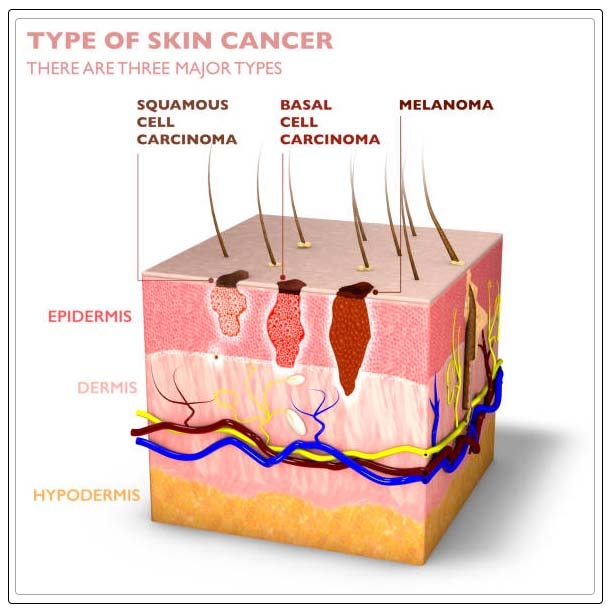
 Developing lichen planus can also increase your chances of developing squamous cell carcinoma.
This increase in risk is small, however, you should visit your doctor for routine cancer examinations.
Final Thoughts
Lichen planus is a condition that can cause swelling and irritation in your skin, hair, nails, and mucous membranes. On your skin, often appears to be purplish, itchy fat bumps that develop over several weeks. However, in the mouth, vagina, and other areas covered by a mucous membrane, it forms lacy white patches and in some cases, it can also become painful sores. It can take a few weeks to months to form the rash, and it often goes away without medical intervention.
You can effectively manage it at home without medical care if you have a mild case of lichen planus. However, if the condition causes pain or significant itching, you may need prescription medications or drugs. But lichen planus is not a contagious condition and not a dangerous condition.
With time, and a combination of home and prescription medications. your rash will clear up, however, it can take several months from 6 to 16 months.



 Blisters
 Allergy Tests
 It is important to note that the common side effect of topical ointment is skin irritation or thinning where you will apply the cream and
  You can use this medication if you are not using any prescription corticosteroid.
 Developing lichen planus can also increase your chances of developing squamous cell carcinoma.