Have you read that folic acid is a prenatal powerhouse? But did you know that acid plays a vital role in keeping your mouth healthy?
According to the Centers for Disease Control and Prevention or CDC, folic acid is essential as it helps prevent significant defects in the baby’s brain and spine. On the other hand, low levels of folic acid might cause anemia, which also affects the gums and tongue.
 You would be surprised to know that folic acid and vitamin B9 are critical in supporting the cells that make up your gums. The vitamin plays a vital role in your mouth’s ability to fight off inflammation, infection, and disease.
If you have a folate deficiency, you may be at risk for early signs of irritated gums that may lead to bleeding, cavity, and bad breath.
What is Folic Acid?
Folic acid, also known as Vitamin B9. It is an essential nutrient that promotes cell growth, repair, and disease prevention.
Folic acid is necessary for the proper production of your red blood cells. The vitamin manages how your cells divide and carry oxygen throughout the body. Folate is a crucial component for maintaining a healthy heart and brain. You can also find the vitamin in the soft tissues of your mouth.
Studies have confirmed that folic acid plays a crucial role in the formation of human DNA. If you have a deficiency of folate – it may be linked to chromosome breakage. Folic acid deficiency can lead to an increased risk for certain cancers and cognitive defects in the body.
Several other studies confirm that folic acid is even more critical for pregnant women. It is important to note that pregnant women should ensure the proper intake of B9 or folic acid, especially in the early stages of pregnancy. The acid can drastically reduce the risk of fetal brain and spine defects – commonly observed in newborn babies.
Do many people often ask if folate is the same as folic acid? The terms folic acid and folate are often used interchangeably. But technically, they are not the same, but many people get away with considering them the same.
At a higher level, folate is vitamin B9 that is naturally present in leafy green vegetables like kale leaves, broccoli, avocados, asparagus, oranges, bananas, and legumes. In contrast, folic acid is the man-made version of the vitamin which you can take as supplements. It is also added to fortified food such as rice, bread, and cereal.
How Folic Acid Affects Your Oral Health?
Many of you might ask – does folic acid help in any other way? The answer is yes. Folic acid can be a crucial vitamin for oral health.
When your body lacks RBC, it leads to a condition called anemia. For individuals suffering from anemia – oxygen does not reach the cells across their bodies.
In terms of mouth health, you may notice various symptoms. There is also soreness in the tongue and a lack of color in the gums.
Therefore, you can see that folate can play a vital role if you have any of these conditions. It is important to note that the human body needs B9 to make red blood cells. Consuming enough folate can reduce anemia symptoms and prevent it from happening altogether.
Vitamin B9, or folic acid, is vital in supporting the cells as they constitute the gums and your mouth’s ability to fight off disease and inflammation. People who lack adequate amounts of this vitamin can risk gum infection and conditions such as bad breath, bleeding, and cavities.
The signs and symptoms can lead to advanced periodontal disease if you do not take proper diet and dental care. They may lead to potentially causing loss of teeth, receding gums, and the need for invasive periodontal treatment.
The good news is that if you intake a diet high in folate, it may help prevent gum disease from developing. If you are looking to stop receding gums from getting worse, you might turn to folate to stop it.
If you need periodontal treatment, folate could help you with post-procedure healing and may even prevent symptoms from returning.
Folic Acid is Great for Your Teeth
Do you have plans to up your intake of vitamins? And the one to pay extra attention to is folic acid or folate, otherwise known as vitamin B9.
You will be surprised to know that this powerhouse nutrient plays a crucial role in many functions throughout the body. Including maintaining the health of your gums, teeth, and mouth.
Your diet is the best way to get enough folic acid or Vitamin B9 into your system. Commonly found grains like bread, pasta, and cereal are fortified with folate. But you see the vitamin naturally in romaine lettuce, asparagus, broccoli, spinach, peas, beets, beans, lentils, peanuts, and sunflower seeds.
Your dentist may also recommend using folic acid mouthwash or toothpaste in order to get a sufficient amount into your body.
Considering these points, you must get enough folate daily because it is water-soluble. It means the vitamin is stored in the human body for a very long time.
Moreover, you should replenish folate levels to avoid deficiency complications. Therefore, it is especially important for pregnant women to get enough folate. This is because the child could be born with a spine or brain defect if not enough folate is obtained.
Note that you should get enough folate to reduce gum disease or infection risk. But there are quite a few suffering from mild to severe gum disease.
The best way you can treat it – is with daily brushing and flossing. In addition, schedule a dental examination with your dentist at least every six months.
Folic acid helps with gum disease primarily because it helps repair the damaged cells in your gum tissue. Folate works together with Vitamin C as it helps prevent and treat periodontal disease, irrespective of your age.
Why is Folic Acid Essential for Your Body?
During pregnancy, your body has an increased need for red blood cells or RBC production. It is under such a condition that folic acid, also known as synthetic folate or vitamin B9 – plays an essential role in RBC production.
Folate is closely associated with pregnancy probably because it reduces the possibility of defects in the newborn’s brain and spine. It is important to note that getting enough folate can also help in preventing neural tube defects.
Gum Disease and Folic Acid
It is important to note that periodontal disease is more common among individuals in their sixties than among teens. Older adults are indeed more dental savvy and brush regularly. But the difference is probably because their body’s ability to fight off bacteria attacks may decrease with aging.
As you might be aware, the immune system may attack the invading organisms as soon as periodontal disease occurs. Your whole body will fight against harmful organisms, including your network of tissues, cells, and organs all working together.
With age, your body can digest fewer nutrients required to maintain an optimal immune system. Therefore, eating more fresh fruits and vegetables becomes essential as these can adequately supplement your diet. You need to eat new stuff to avoid any gum disease.
A healthy diet provides sufficient antioxidants that prevent cell oxidation and reduces diseases like heart disease and cancer. Antioxidants can prevent cell oxidation, thus supporting your immune system.
Without any dental treatment – a nutritional supplement alone can drastically lower your symptoms of bleeding and tissue damage caused by periodontal disease. Research conducted at Loma Linda University confirmed this fact.
Do you know that folate is necessary to produce and maintain the new cells in the body? They are also important, especially during rapid cell division and growth. For instance, during pregnancy and even during infancy.
Folate is also needed to make DNA and RNA, the building blocks of cells. The vitamin also helps prevent changes to DNA that may lead to cancer. Both children and adults need folic acid to make normal red blood cells and prevent anemia.
How Much Folic Acid Do You Need Per Day?
Both folate and folic acid are a form of water-soluble B vitamin. Folate occurs naturally in the food you take. In contrast, folic acid is the synthetic form of folate found in supplements and fortified foods.
Unfortunately, about 20 percent of the population fails to convert this vitamin. Therefore, they are not able to receive full nutritional benefits. When your body does not convert enough folic acid to L-methyl folate – excess homocysteine levels might accumulate.
You would be surprised to know that several published studies have linked excessive homocysteine with common age-related disorders and problems.
As with most essential vitamins, getting as much of your folate as possible from a healthy, natural, and balanced diet is best. However, many people still benefit from adding a folic acid supplement to their daily schedule.
According to the National Institutes of Health, the daily dose recommended for adults is 400 micrograms.
But it is essential to know that certain groups may need higher doses to get the full effects of this vitamin. These may include women who are pregnant or lactating and also individuals with limited diets. Your doctor may also recommend a higher dose for those who consume excessive alcoholic drinks as alcohol interferes with folate absorption. Folic acid certainly has benefits, as consuming too much may have potentially harmful side effects.
As for your oral health, eat a diet of folate-rich foods and visit your dentist regularly. Also, stay on top of proper at-home care. All this is your first line of defense as it will keep your mouth healthy and happy. But if your teeth and gums still need help, consult your dentist to see if a folic acid supplement is suitable for you.



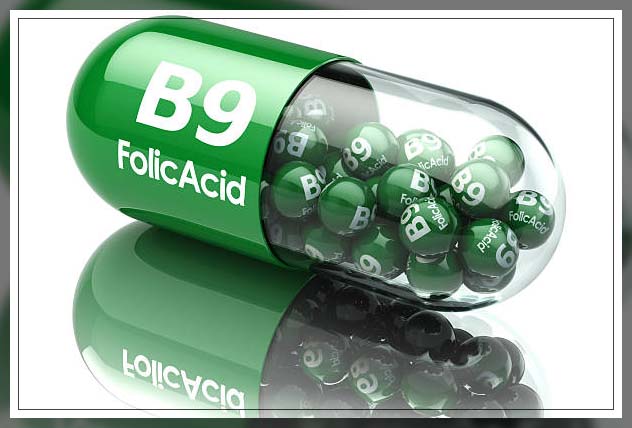 You would be surprised to know that folic acid and vitamin B9 are critical in supporting the cells that make up your gums. The vitamin plays a vital role in your mouth’s ability to fight off inflammation, infection, and disease.
  Folic acid is necessary for the proper production of your red blood cells. The vitamin manages how your cells divide and carry oxygen throughout the body. Folate is a crucial component for maintaining a healthy heart and brain. You can also find the vitamin in the soft tissues of your mouth.
 When your body lacks RBC, it leads to a condition called anemia. For individuals suffering from anemia – oxygen does not reach the cells across their bodies.
  Vitamin B9, or folic acid, is vital in supporting the cells as they constitute the gums and your mouth’s ability to fight off disease and inflammation. People who lack adequate amounts of this vitamin can risk gum infection and conditions such as bad breath, bleeding, and cavities.
 You will be surprised to know that this powerhouse nutrient plays a crucial role in many functions throughout the body. Including maintaining the health of your gums, teeth, and mouth.