In medicine, ultraviolet light therapy is also referred to as phototherapy. It is an intervention often used to treat several conditions, including certain skin infections, inflammatory diseases, and even cancer. The dose and method of the treatment differ depending on the illness being treated.
You should note that phototherapy is used as an adjunctive treatment. Meaning the therapy is used along with other therapies or medications rather than as the only treatment method.

Your skin doctor provider might also prescribe a specific medication for you to take before each treatment. It would maximize the benefits of ultraviolet light therapy.
What Is Ultraviolet Light Therapy?
Ultraviolet light therapy uses ultraviolet light that is naturally emitted from the sun. But with the advancement in technology, your doctor can channel the light with specially designed devices.
As you might be aware, light has different wavelengths. The wavelengths commonly used in therapeutic ultraviolet light therapies are longer wavelength UVA light and shorter wavelength UVB light. This is probably because there are several mechanisms involved in medical ultraviolet light treatment.
Do you know that ultraviolet light can damage human cells, meaning both healthy cells and harmful cells? It is said that the therapeutic effects are due to inducing an oxygenation reaction. These reactions may destroy specific cells, like the autoimmune inflammatory cells seen in lupus.
Additionally, ultraviolet light is also germicidal. This is why it is often used to eradicate some infectious organisms on the human skin.
Generally, most ultraviolet light treatments are repeated several times per week for a few months. During the skin disorder treatments, you would have calibrated light directed to the lesions on your skin for several minutes for each treatment.
Your doctor may prescribe psoralen if you are having treatment with UVA light. Probably because this medication makes your skin more sensitive to ultraviolet light.
Potential Risks
Ultraviolet light treatment may cause complications, and the pretreatment at times poses a risk. You should be aware that over-exposure to ultraviolet light can cause skin itching and redness. Moreover, it may also lead to severe sunburn. Repeated eye exposure to UV light may increase the risk of cataracts.
If you take the pretreatment medication, you might be more sensitive to light, including natural sunlight. When you take these medications, you can have an increased risk of sunburn or eye damage.
Contraindications
This treatment may be unsafe for people whose skin is especially sensitive to light.
Even though one type of skin cancer may be treated with ultraviolet light therapy, your doctor may recommend against this treatment approach if you have had skin cancer that might have been caused by ultraviolet light exposure.
If you are taking medications that increase sun sensitivity, you might need to stop taking them for several weeks just before your therapy. Probably because it increases the skin sensitivity to sunlight caused by these medications.
Purpose of Ultraviolet Light Therapy
This treatment helps manage certain skin infections and diseases. It can improve your symptoms, and it may cure certain skin infections.
However, when you use the therapy for chronic inflammatory disease, the effects of ultraviolet light therapy may be temporary. The condition can recur months or even years after the treatment stops.
Conditions often treated with ultraviolet light therapy include:
- Eczema
- Psoriasis
- Mycosis fungoides
- Sézary syndrome
- Cutaneous T-cell lymphoma
- Vitiligo
- Scleroderma
- Rosacea
- Fungal or bacterial infections of teeth, skin, and mouth, stomach, nose, and toenails
- Graft versus host disease, a condition that may occur after transplant surgery.
Ultraviolet light therapy is considered first-line therapy for Sézary Syndrome and CTCL. And it is regarded as a second-line therapy for mycosis fungoides and graft versus host disease.
Ultraviolet light therapy has also been studied for the treatment of lupus. Lupus is a systemic inflammatory disease that might cause a range of symptoms. Additionally, it is used for the treatment of seasonal affective disorder. A mood disorder is often associated with a lack of sunlight.
What to Expect During the Ultraviolet Light Procedure
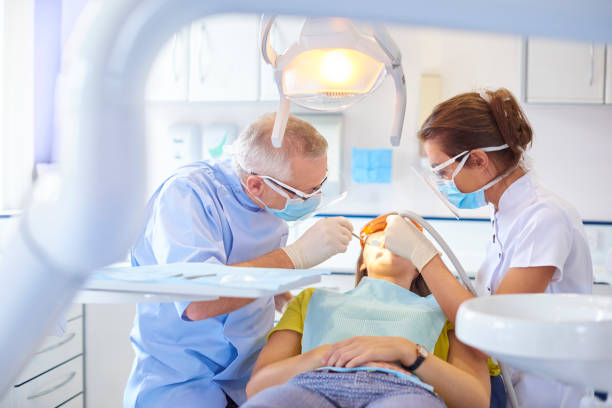
If you are prescribed ultraviolet light therapy as part of your treatment, you should visit your dermatologist’s office for each treatment. When you go to the clinic for your treatment, your doctor may examine your skin or ask you about your symptoms. It helps assess any changes in your condition.
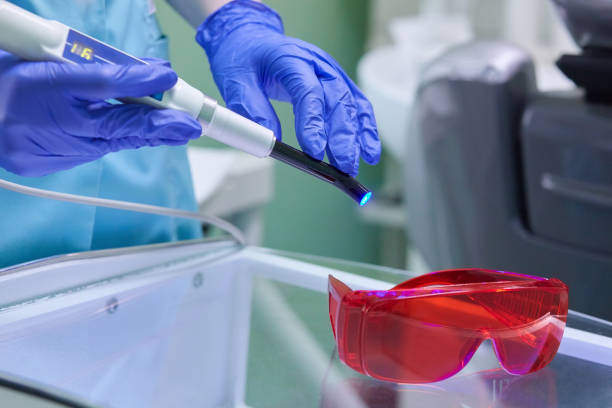
Your specialist will use a calibrated machine to emit the wavelength of ultraviolet light needed for your treatment. To treat most skin conditions, a selected area of your skin will be exposed to ultraviolet light for a predetermined duration.
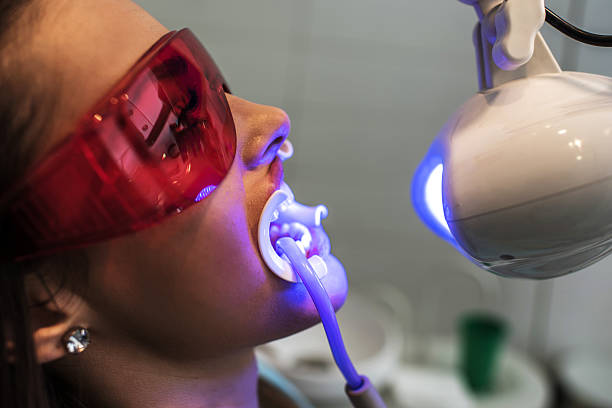
For treatment of specific conditions, your specialist will direct you to sit near the device for more widespread treatment. Your procedure would last for about 10 – 30 minutes at a time.
This light therapy does not involve creams, incisions, or sutures. You may not need any pain control.
During the procedure, your specialist will ask you to expose the area of your skin that needs treatment. Your specialist may place a cover on the exposed areas of your skin that are not being treated. You may also have to wear goggles to protect your eyes.
Note that you can leave the clinic right after your treatment finishes. However, if you experience any discomfort, talk to your specialist so they can assess your complaints and treat any problems like a skin burn. If you experience a side effect, your specialist may adjust your therapy plan as necessary.
Recovery
If you have been having ultraviolet light treatment regularly for several months, you need to be extra careful. You might be very susceptible to sun-induced sunburn throughout the treatment course.

Your specialist may instruct you to avoid exposure to sunlight for several days after each treatment. Or they may suggest you use sunscreen when you go outside.
Ultraviolet Light Therapy for Psoriasis
Light therapy, or phototherapy, has proved to improve the symptoms of psoriasis in many. Light therapy works by reducing skin inflammation and slowing down the production of skin cells.
Your doctors may recommend light therapy when an individual has moderate to severe psoriasis. Or patients with psoriasis who are not responding to other treatments.
Along with its benefits, light therapy may have several side effects. Long-term and repeated exposure to light therapy may increase an individual’s risk of skin cancer.
What is light therapy for psoriasis?
Light therapy generally involves shining ultraviolet or UV light on the skin. This process can reduce the size, itchiness, and appearance of the plaques. It may even clear them up entirely.
Note that light therapy does not cure psoriasis. But the treatment can help individuals manage their condition and improve their quality of life.
Remember that light therapy for psoriasis works by slowing down the excess growth of the skin cells. It helps reduce plaque formation. The treatment may also limit the growth of skin cells by affecting the functioning of the DNA.
Light therapy procedure
Depending on which areas of the skin psoriasis affects, an individual can get phototherapy on one area. It could be the hands or scalp or across their whole body. Before treatment, your doctor will protect sensitive skin areas, like the eyes and genitals.
Note that you may require may require multiple sessions of light therapy. Your specialist will gradually increase the time your skin gets exposed to the UV light. These multiple sessions give your skin time to heal.
Depending on the severity, people usually undergo three to five light therapy sessions every week during their course of 2 to 3 months. Most people usually see an improvement in 2 to 4 weeks, solely depending on the type of the light therapy.
You should note that each person’s skin reacts to phototherapy differently. Both in terms of how much improvement they see in their psoriasis symptoms and how long the benefits last. The average remission time is 3 to 12 months.
As there is an increased risk of skin cancer, your doctor will advise limiting the lifetime usage of psoralen and ultraviolet A (PUVA) phototherapy to max of 150 sessions.
Is light therapy effective?
Light therapy is quite effective for reducing or clearing up the symptoms of psoriasis.
An estimated 75 percent use narrow-band ultraviolet B (UVB) therapy. It is the most common type and will develop clear skin. The treatment will last for at least 6 months.
According to studies narrow-band UVB treatments are effective against acute guttate psoriasis. Moreover, people were also satisfied with this therapy. Using light therapy to treat psoriasis reduces symptoms in 50 to 90 percent of people.
Bottomline
Ultraviolet light therapy may be part of the treatment plan that your healthcare provider prescribes as part of the treatment. You can consider the treatment as effective and safe, but there are precautions and potential side effects. But be sure to follow all of the recommended safety guidelines to minimize the risks of this treatment.



 However, when you use the therapy for chronic inflammatory disease, the effects of ultraviolet light therapy may be temporary. The condition can recur months or even years after the treatment stops.
 This light therapy does not involve creams, incisions, or sutures. You may not need any pain control.