You might have pelvic pain for a number of reasons and learning about them is important.
Pelvic pain often occurs in the area below your belly button and between the hips. It can last for 6 months or longer.
It is important to know that pelvic pain can be due to a number of reasons and it can also be a symptom of another disease.
However, it can be a condition in its own right.
Moreover, pelvic pain can radiate up into your lower abdomen, thus, making it hard to differentiate between abdominal pain.
Learning about the causes of your pelvic pain can help to treat it at home.
Additionally, you can learn when you need to visit the doctor.
Keep on reading to learn more about the causes of pelvic pain in women, when you need to seek help, and how you can manage the symptoms.
Causes of Pelvic Pain
There are a number of causes of both acute and chronic pelvic pain.
Acute pelvic pain can be sudden or new pain, while chronic pain is a long-lasting condition that remains constant or comes and go.
Let’s discuss the causes of pelvic pain as follows:
- Pelvic Inflammatory Disease, PID
- Endometriosis
- Ovulation
- Menstruation
- Ovarian (adnexal) torsion
- Ovarian cyst
- Uterine fibroids (myomas)
- Gynecologic cancers
Let’s discuss them in detail as follows:
Pelvic Inflammatory Disease, PID
This is an infection of the reproductive organs of a woman.
It occurs when you do not get treatment for sexually transmitted infections like chlamydia or gonorrhea.
You may experience no symptoms, and if you do not get timely treatment, it can cause serious complications.
These include chronic, severe pain in the pelvis or abdomen.
Other symptoms are bleeding during intercourse, fever, heavy vaginal discharge or order, and difficultly or pain during urination.
Thus, PID needs immediate medical attention to avoid further complications:
Ectopic pregnancy, scarring on the reproductive organs, abscesses, or infertility.
Learn more about Postpartum Depression here.
Endometriosis
This condition occurs during your reproductive years. It is due to the growth of tissues that is similar to the one in your uterus.
This tissue continues to act the way it would within the uterus, including thickening and shedding in response to the menstrual cycle.
Endometriosis can cause different degrees of pain ranging from mild to severe and debilitating.
This pain is most common during menstruation.
 Moreover, it can also occur during intercourse and with bowel or bladder movements.
The pain due to this condition is often centered within the pelvic area, however, can extend to the abdomen.
Additionally, this condition can affect your lungs, and diaphragm, though it is often rare.
In addition to pain, heavy periods, nausea, and bloating are the symptoms.
OCT medications or surgical procedures like laparoscopy can help treat the pain.
Moreover, in vitro fertilization can also help in case of both endometriosis and conception.
Early diagnosis can help reduce chronic symptoms, including pain and infertility.
Learn more about Root Canal Treatment in Jumeirah here.
Ovulation, and Ovulation or Adrenal Torsion
In some cases, you might experience a sharp pain during ovulation when the egg releases from an ovary.
This pain is called mittelschmerz.
It often lasts for a few hours and responds well to over-the-counter medications.
Ovulation or Adrenal Torsion
In case your ovaries twist suddenly on its spindle, you will feel immediate, shape pain and can also be accompanied by nausea and vomiting.
This ovarian pain can also begin as intermittent craping and is medical attention that needs immediate surgery.
Learn more about Teeth Whitening Zoom in Al Wasl here.
Menstruation
Pelvic pain can occur before and during menstruation and is usually described as cramps.
However, the severity can vary from one month to another.
Before or prior to it, it is called premenstrual syndrome, PMS.
If the pain is severe, it can cause interference in day-to-day activities. and is referred to as a premenstrual dysphoric syndrome, PMDD.
Moreover, it can come with bloating, irritability, insomnia, anxiety, tender breasts, mood swings, headaches, etc.
Pain during menstruation is also called dysmenorrhea and may feel like cramps.
It can come with nausea, headaches, lightheadedness, and vomiting.
Ovarian Cysts, Myoma and Gynecologic Cancer
Let’s discuss these as follows:
Ovarian Cysts
They often do not cause any symptoms.
However, if larger, can make you feel a dull or sharp pain in your pelvis or abdomen.
Moreover, you may also feel bloated or have a feeling of heaviness.
In case of cysts ruptures, it can cause sharp pain, thus you should seek medical attention.
Uterine Fibroids or Myoma
These are benign growths, while the size, symptoms, and location may vary.
In some cases, women do not feel symptoms at all.
However, large ones can cause a feeling of pressure or dull aching pain along with:
Bleeding during intercourse, heavy periods, troubled urination, constipation, or back pain.
Moreover, this condition can interfere with conception and can cause sharp severe pain if it outgrows.
Seek medical attention in case of:
Chronic and sharp pelvic pain, heavy vaginal bleeding between periods, and trouble voiding bladder.
Gynecologic Cancer
Gynecologic cancer can affect any part of the pelvis, including:
- uterus,
- endometrium,
- cervix,
- ovaries.
It is important to note that the symptoms may vary but includes dull aching pain in the pelvis and abdomen.
Moreover, unusual vaginal discharge is another symptom.
Therefore, regular checkups and gynecological exams are important in the diagnosis of cancer early and easy to treat.
Learn more about Scaling and Polishing in Jumeirah here.
Pelvic Pain in Pregnancy
Pelvic pain in pregnancy is usually not a cause for alarm.
As your body adjusts to new changes and grows, your bones and ligaments stretch and that can cause pain or discomfort.
However, any pain that makes you anxious or nervous, even if it is mild should not be avoided.
Instead, talk to your doctor, especially if it comes with other symptoms.
These include vaginal bleeding.
Moreover, if it does not go away or lasts for more than a few hours, seek medical attention.
Some possible causes of pelvic pain during pregnancy are as follows:
Braxton-Hicks Contractions
This pain is often referred to as false labor pain and happens most commonly while you are in your third trimester.
They may come to be with physical examinations, the movement of your baby, or dehydration.
Braxton-Hicks Contractions can be uncomfortable, however, are not as intense as labor pain.
Moreover, they do not come at regular intervals or increase in intensity over time.
These contractions are not a medical emergency, however, make sure to tell your doctor that you are having them while visiting.
Learn more about Plasma in Al Dubai here.
Miscarriage and Placental Abruption
Miscarriage is the loss of pregnancy before the 20th week and often occurs during the first trimester.
They are accompanied with:
Vaginal bleeding, abdominal cramps. feelings of pain in the pelvis, abdomen, or lower back.
Moreover, the flow of liquid or tissue from your vagina is a symptom of it.
In case of this condition, contact your doctor and go to the emergency immediately.
Placental Abruption
The placenta forms and attaches itself to the uterine wall early in the pregnancy.
It is there to provide oxygen and nutrition for your baby until delivery.
However, in rare cases, the placenta detaches itself from the uterine wall.
This can be partial or complete detachment and is known as Placental Abruption.
This condition can cause vaginal bleeding as well as sudden feelings of pain or tenderness on the abdomen or back.
Moreover, it is most common in the third trimester but can also occur in the 20th week of your pregnancy.
Thus, placental abruption requires immediate medical attention.
Premature Labor
In case you go into labor before the 37th week of your pregnancy, it is Premature Labor.
The symptoms of premature labor are as follows:
Pain in the lower abdomen, which can often feel sharp, timed contractions or like a dull pressure.
Lower back pain, fatigue, heavier-than-normal vaginal discharge, and cramping in the stomach.
It is important to note that the cramps may ve with or without diarrhea.
Moreover, you may pass your mucus plug. If the labor is due to an infection, you may also have a fever.
Premature labor is a medical emergency and requires immediate attention.
It can, in some cases be stopped, by medical treatment before you deliver your child.
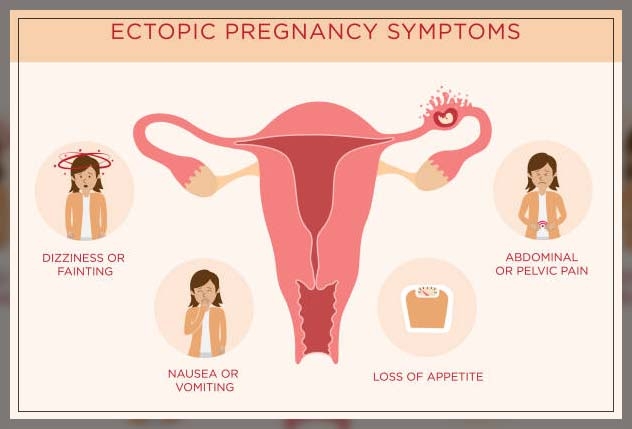
Ectopic Pregnancy
Ectopic pregnancy can occur shortly after conception if a fertilized egg implants itself in a fallopian tube.
It can also attach itself to the other part of your reproductive tract instead of the uterus.
This type of pregnancy can never be liable and can result in rupture of the fallopian tube and internal bleeding.
Moreover, the primary symptoms of Ectopic Pregnancy are as follows:
Sharp, intense pain and vaginal bleeding.
The pain can also occur in the abdomen or pelvis.
It may radiate up toward the neck or shoulder if internal bleeding occurs and blood pools under the diaphragm.
Your doctor can dissolve ectopic pregnancy with the help of medications or it may need surgery.
Other Causes
Pelvic pain can also occur due to a number of additional conditions in both men and women.
These are as follows:
- enlarged spleen
- appendicitis
- chronic constipation,
- diverticulitis,
- femoral and inguinal hernias
- pelvic floor muscle spasm
- ulcerative colitis
- kidney stones
Now let’s discuss the diagnosis of pelvic pain.
Diagnosis
For the diagnosis of pelvic pain, your doctor will ake an oral history to learn about the type of pain you experience.
Moreover, they will ask about the other symptoms and overall health history.
They can also recommend a pap smear if you have not had one within the past three years.
There are different standard tests you can expect.
These are as follows:
Physical examination to look for areas of tenderness in your abdomen and pelvis.
Pelvic or transvaginal ultrasound so that they can view the uterus, fallopian tubes, vagina, ovaries, and other organs within your reproductive system.
This test uses a wand that your doctor will insert into the vagina which transmits sound waves to a computer screen.
However, if your doctor is unable to discover the cause from the above tests, you may need additional let’s.
These tests are CT scan, pelvic MRI, pelvic laparoscopy, colonoscopy, and cystoscopy.
Home Remedies for Pelvic Pain
Pelvic pain often responds to OTC, over-the-counter medications, however, make sure to check with your doctor before taking any type of drug during pregnancy.
In some cases, taking enough rest can also help.
In other cases, gentle movement and light exercise can also be beneficial.
Try the following tips to relieve pain:
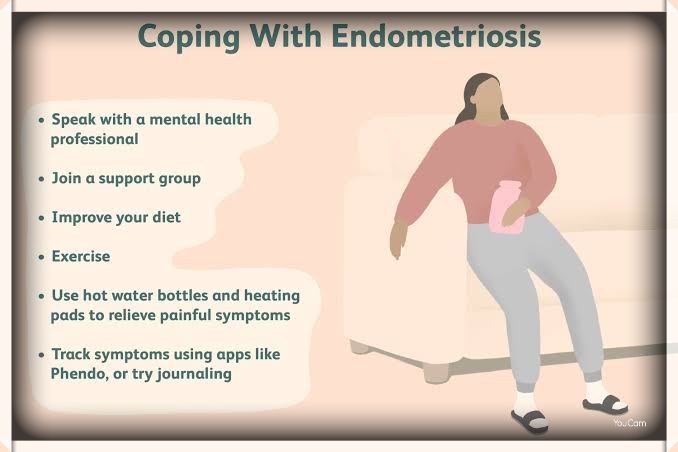
 Placing a hot water bottle on your abdomen can help ease the cramps or take a warm bath.
Elevate your legs as it can help alleviate pelvic pain and pain affecting your lower back or thighs.
Yoga, prenatal yoga, and medications can also help with pain management.
Taking herbs like willow bark can help decrease pain.
However, get the approval of your doctor before using any medication during pregnancy.
Final Thoughts
Pelvic pain is a common condition in many women with a wide range of causes. This pain can either be chronic or acute.
It is important to note that it often responds to at-home treatments and OTC medications. It can, however, be due to other serious conditions that require immediate care.
Moreover, man doctors recommend that if you experience pelvic pain especially the one that occurs regularly, visit them as they can help find out the cause.


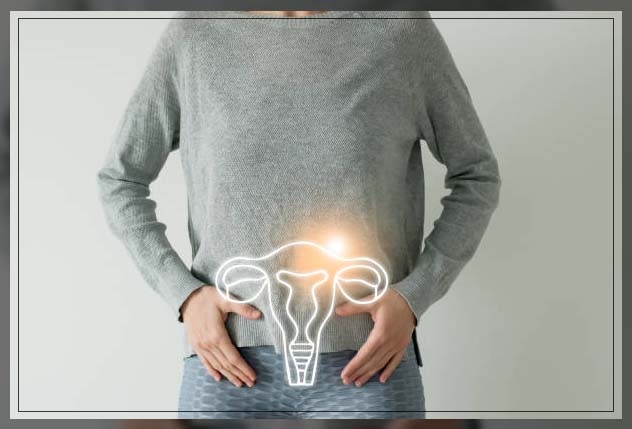
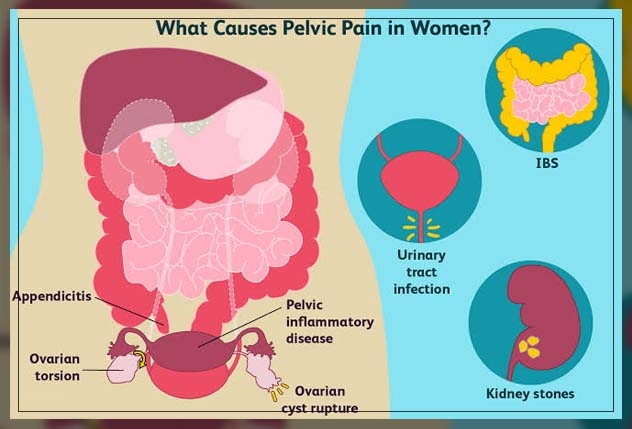 Moreover, it can also occur during intercourse and with bowel or bladder movements.
 Moreover, this condition can interfere with conception and can cause sharp severe pain if it outgrows.
 Moreover, they do not come at regular intervals or increase in intensity over time.
 Moreover, the primary symptoms of Ectopic Pregnancy are as follows:
 There are different standard tests you can expect.
 Placing a hot water bottle on your abdomen can help ease the cramps or take a warm bath.