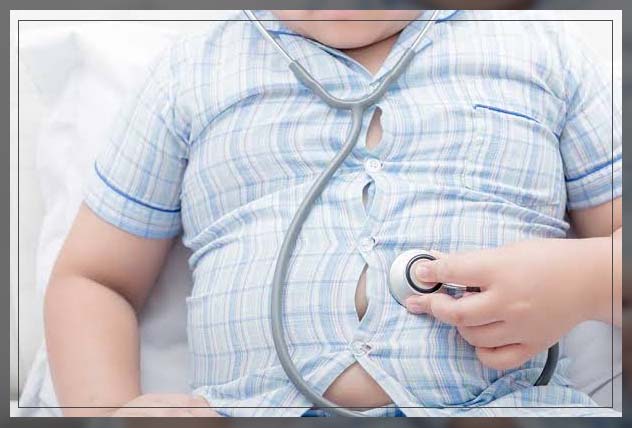
Childhood obesity can be a cause of concern for your child and their health.
If the body mass index, BMI of your children is at the same level or higher than 95%, then they are considered obese.
BMI is a tool that helps to determine the weight status.
Moreover, you can calculate it by using your child’s height and weight.
The BMI percentile where it falls in relation to others is then determined using gender and age.
Childhood obesity is a serious threat to the health of your child.
If your child is obese or overweight, then they are at a risk for several chronic health conditions.
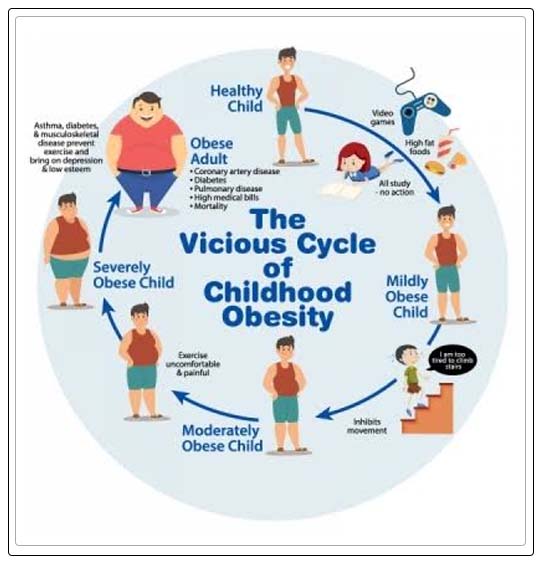
Poor health stemming from childhood obesity can also continue into adulthood.
Furthermore, childhood obesity does not just affect physical health, it can also make them depressed, have a poor self-image, and self-esteem.
Keep on reading to learn more about it in detail.
Causes of Childhood Obesity
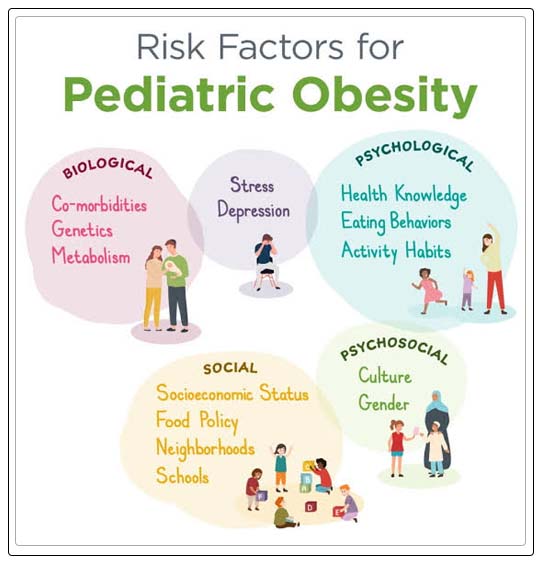
Factors like family history, psychological factors and lifestyle, all play an important role in childhood obesity.
Moreover, if you or other family members are overweight or obese, then your child is more likely to follow suit.
However, the main cause of childhood obesity is a combination of eating too much and exercising too little.
A poor diet that contains high levels of fat or sugar and a few nutrients can also cause your kids to gain weight fast.
Fast food, candy, and soft drinks are some of the common culprits.
 According to the U.S Department of Health and Human Services, HHS, 32% of adolescent girls and 52% of adolescent boys drink 24 ounces of soda or more per day.
Furthermore, convenience foods like frozen dinners, salty snacks, and canned pasta also contribute to unhealthy weight gain.
In some cases, children can also become obese when their parents do not know how to choose or prepare healthy foods.
Other families may not be able to easily afford fresh fruits, vegetables, and meats.
Not enough physical activity is another cause of childhood obesity.
Individuals of all ages tend to gain weight when they are less active.
Exercise burns calories and helps to maintain a healthy weight, however, if you do not encourage your child to be active, they will gain weight.
They can burn extra calories through sports, time on the playground, or other forms of physical activity.
Psychological issues can also lead to obesity in some cases.
Kids and teens who are bored stressed, or depressed may also eat more to cope with their negative thoughts.
Learn more about Morbid Obesity here.
Health Risks Associated with Childhood Obesity
If your child is obese then they have a higher risk of developing health problems than their peers who maintain a healthy weight.
Diabetes, heart diseases, and asthma are among some of the most serious risks.
Let’s discuss them as follows:
Diabetes
Type 2 diabetes is a condition in which the body is unable to metabolize glucose properly.
Moreover, it can lead to eye disease, nerve damage, and kidney dysfunction.
If your child is overweight, then they are more likely to develop type 2 diabetes.
However. the condition may be reversible through diet and lifestyle changes.
 Heart Disease
High cholesterol and high blood pressure raise the risk of future heart disease in obese children.
Furthermore, foods that are high in fat and salt may cause cholesterol and blood pressure levels to rise.
Heart attack and stroke are two potential complications of heart disease.
Asthma
Asthma is a chronic inflammation of the airways in the lungs.
Obesity is one of the most common comorbidity i.e. when 2 diseases occur in the same person at the same time, with asthma.
However, researchers are not sure how the two conditions are liked.
According to a recent study in the journal Asthma Research and Practice, about 38% of adults with asthma in the United States are obese.
This same study suggests that obesity may be a risk factor for more severe asthma in some cases.
However, not in all individuals with obesity.
Sleep Disorders
If your child or teen is obese, they may suffer sleep disorders like excessive snoring and sleep apnea.
In case there is extra weight in the neck area, it can also block the airways.
Joint Pain
Your child may experience joint pain, stiffness, and limited range of motion from carrying excess weight.
In most cases, losing weight can help to eliminate joint pain.
Healthy Eating and Nutrition for Obese Children
Changing the lifestyle, eating habits of your obese child is very important.
Parental influence shapes the eating pattern in your children.
Moreover, most often kids eat what you buy, therefore, try buying healthy foods starting with you.
Start your nutrition overhaul by limiting sweets and soft drinks in your home.
Even drinks that contain 100% juice can be high in calories.
Instead, serve them water and lower-fat or nonfat milk along with meals.
Cut back your fast food consumption and make a conscious effort to cook more at home.
Preparing a meal at home and eating together is not only healthy but also an excellent way to sneak in some family time.
Try to center your meals and snacks around fresh foods instead of processed items, baked goods, or salty snacks.
You can try:
- fresh fruits and vegetables
- lean proteins like chicken and fish
- whole grains like brown rice, whole-wheat pasta, and whole-grain bread
- low-fat dairy products like skim milk, low-fat plain yogurt, and low-fat cheese.
Chances are good that your overweight or obese child will drop some weight as they transition to a healthier way of eating.
You can also consult your pediatrician if weight loss does not occur.
In such a case, you may need additional help from a nutritionist or dietician.
Learn more about Al Wasl Dubai Clinic here.
Lifestyle Changes to Combat Childhood Obesity
There are some strategies that can help to prevent childhood obesity.
Some of these are:
Increase Physical Activity
Increase the physical activity of your child to help them shed weight safely.
You can use the word “activity” instead of “exercise” or “workout” to keep them motivated.
Playing hopscotch in your garden can be appealing to your 7-year-old, then jogging around the block.
Moreover, consider encouraging them to try a sport which there are interested in.
According to the U.S. Centers for Disease Control and Prevention, make sure that your children get at least 1 hour’s worth of exercise daily to remain healthy.
Family Activities
Find some of the activities that your family enjoys together.
This is not only a great way to bond, but, will also help your children to learn.
Activities like hiking, swimming, or even playing tag can help your child get active.
Moreover, you can start on the path to a healthier way in such a way, however,r try different activities to prevent boredom.
Cut Back Screen Time
Make sure to limit the screen time as well.
Kids who spend a lot of time watching television, playing computer games, or using their smartphones or other devices are more likely to be overweight.
According to the studies by the Harvard School of Public Health, the reason for this may be twofold.
First: Screen time eats into time that your child can spend doing physical activities instead.
Second: More time they spend in from of the TV, the more time for snacking, and more exposure to ads.
These ads often include foods high in sugar, high-fat foods, which often make up most food marketing.
Prevention Tips
In order to prevent excess weight gain in your child you can:
Make healthy eating and physical activity a family affair.
In this way, everyone will benefit and no one will be left out.
Have healthy snacks at your home. You can have air-popped popcorns without butter, fruits with low-fat yogurt, baby carrots with hummus, etc.
Moreover, offer new foods multiple times and do not feel discouraged if they don’t like it immediately.
It often takes multiple exposures for your child to gain acceptance.
Choose non-food rewards and avoid promising candy for good behavior.
Make sure that your child gets enough sleep as studies show that too little sleep can increase the risk of childhood obesity.
Furthermore, sleep deprivation can cause hormonal imbalance that leads to an increase in appetite.
It is important to make sure to visit your doctor for checkups at least once a year.
Your doctor will make sure to check the BMI of your child and also recommend changes to make sure they lose excess weight.
Learn more about Plasma in Al Dubai here.
Outlook for Childhood Obesity
Childhood obesity is a serious issue, however, with proper education and support, children can learn healthier ways to cope with their problems.
However, this supports should always come from their parent, teachers, and other caregivers. Help your child stay healthy for longer by preparing nutritious foods and encouraging them to get plenty of exercises.
In case you are unable to do so, make sure to consult your doctor as they can help you to make lifestyle and food changes and also refer you to a nutritionist for help.

 According to the U.S Department of Health and Human Services,
  Heart Disease
 Preparing a meal at home and eating together is not only healthy but also an excellent way to sneak in some family time.
 This is not only a great way to bond, but, will also help your children to learn.
 It often takes multiple exposures for your child to gain acceptance.