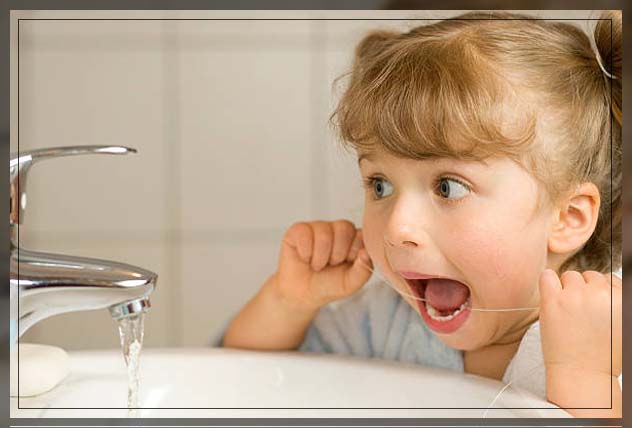
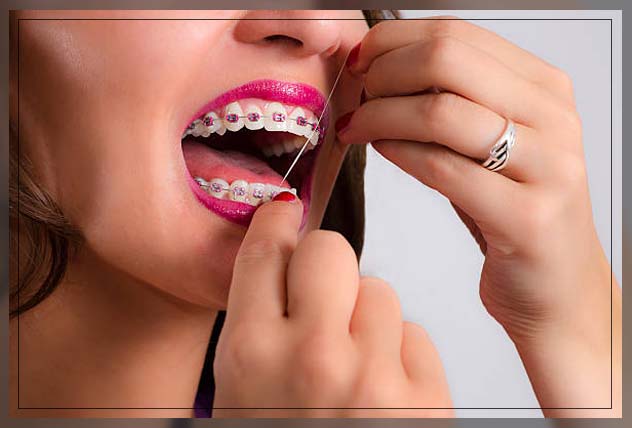
Every time you visit your dentist, you must have heard about the importance of flossing. But it does not make this simple task less annoying. Dental flossing usually takes only two minutes of your valuable time, but its benefits are numerous.

Remember that flossing is an essential oral practice you should maintain for your oral hygiene. It dislodges and cleans any food material, or debris stuck between your teeth.
Thus helping to reduce the number of bacteria and plaque formation inside your mouth. Plaque is only a sticky film that develops on your teeth and contributes to tooth cavity, gum disease, and periodontal disease.
Your teeth can indeed be cleaned by tooth brushing, it is not effective in reaching the inner tooth surfaces. By adopting the tooth cleaning techniques like flossing, you can easily clean every corner of your mouth.
Although most of you brush your teeth daily, you may not floss your teeth on a regular basis. According to a poll, every 4 out of 10 people floss their teeth at least once a day.
And one-fifth of the population never floss their teeth at all. The American Dental Association recommends cleaning between your teeth daily using dental floss.
Flossing Teeth Steps to Follow
The procedure involves using a short thread-like material, often called floss. It can clean areas that are difficult to reach with your toothbrush. You can use it to clean the space between your teeth. The American Dental Association recommends cleaning your teeth daily with an interdental cleaner like floss.
You can follow this step-by-step guide to floss your teeth using the proper technique.
Dental flossing instructions:
- Break off approx 18 to 24 inches of dental floss. To hold the floss correctly, wind it around both of your middle fingers. Just leave only 1 to 2 inches of floss between your fingers for cleaning your teeth.
- Next, hold the floss taut tightly with your thumb and index fingers.
- Then place your dental floss between two teeth. Gently start gliding the floss by moving it up and down. The floss should rub against both sides of your tooth. Avoid flossing into your gums. This can bruise or scratch your gums, leading to inflammation.
- Once the floss touches your gums, curve the floss upwards at the tooth’s base, forming a C shape.
- This technique will allow the floss to enter the space in between your tooth and gums.
- Repeat these steps as you keep moving from one tooth to the other. Always try using a new, clean section of the floss thread with each tooth.
- Do not forget to floss the backside of your last tooth as well. Once finished, throw away the floss. A used piece of floss is no longer effective. Moreover, it could leave harmful bacteria behind in your mouth. Hence your dentist will advise you to use a piece of floss only once.
Why is Flossing Teeth Important?
Like other dental habits, Floss helps you remove unwanted plaque and food particles from between your teeth. Especially the areas of your tooth where your toothbrush can not reach.
Flossing once a day is a must for your oral health. It plays a vital role in protecting your smile from any kind of dental cavities, gum diseases, and bad breath.
The reality is, it is not enough to simply floss. You need to floss in the correct manner. Note that improper flossing can potentially damage your teeth and gums. So, if you are not sure about the right methods to clean, below is a step-by-step guide on the best way to floss.
But when it comes to selecting the best floss for your teeth, are there different types available? Discuss below are the most popular types of floss for your smile.
Types of Dental Floss
As you might be aware, dental floss comes in many varieties. You can select a floss depending on your preferences.
Some floss is easier to use in wider spaces. In contrast, other types of flosses are easier to use in tighter spaces.
Though there is no hard and fast rule to select the type of floss, there are primarily two parameters to consider while choosing the type of floss.
The first one is the size of the floss you should select, and secondly, the ease of flossing. Many people assume that with age, they might naturally lose their teeth. However, if you take proper care of teeth and gum, your teeth can be made available throughout your life.
Here are a few types of dental floss:
1 Dental tape
Dental tape floss has a flat and broader shape, quite similar to a ribbon. This makes it easier to handle if you have dental braces, large spaces, or gaps between your teeth.
Dental tape is easily recognizable as it is wider than regular ones. Dental tapes are flatter and can be both waxed and unwaxed. This type of floss is easier to hold and use. Especially for people who have a hard time flossing.
2 Standard floss
It is a very thin nylon strand that can easily fit in between your teeth. This type of floss may be flavored or unflavored. They can also be waxed or unwaxed.
Standard floss variations cater to different personal choices. If your teeth are crooked or crowded, dental floss with a wax coating can make it easier to get in between them.
3 Super flosses
This type of dental floss threader is very convenient for dental works like braces, bridges, and gaps. It is probably because your dental fixtures need proper attention while cleaning. It is where super flosses come into the picture.
Super floss has three components. Firstly a stiffened end that helps floss underneath your dental appliance like bridges and braces. A spongy floss section to clean around your appliances like braces. And the third section, the regular floss to eliminate plaque deposited underneath your gum line.
When Should You Floss?
Note that you can improve your oral health and overall health by flossing regularly at the right time. You should floss your teeth once every 24 hours, but there is no ideal time to floss. It is good practice to do it in the evening. Probably because it might remove any food particles accumulated during the day.
It has been noticed that most people floss their teeth after brushing their teeth. However, your dentist will recommend flossing followed by brushing your teeth. It is probably because flossing helps remove plaque and food stuck in between your teeth. If you brush after flossing, it will remove these particles from your mouth.
If you brush first and floss later, the food particles and plaque remain in your mouth until the next brushing cycle.
Note that your dentist will recommend flossing at least once every day and brushing your teeth twice everyday. Also, talk to your dentist about what types of oral care products might be suitable and effective for your mouth.
Flossing Teeth is Right for You?
The type of floss you select solely depends on what is comfortable and easy for you to use regularly. If you have teeth that fit close together, you will probably benefit from unwaxed floss or water flossers. Instead, if you have more space between your teeth, you might choose waxed floss or dental tape.
Sometimes you may find that the floss is a bad fit for you. It is probably one of the primary reasons people stop using it. As you know, the spacing of everyone’s teeth is quite different. So what might work for you might not work for your mom or partner.
The floss should move or glide through your teeth smoothly so that you can clean between your teeth. Meaning the floss should slide easily a couple of inches between your teeth. If it is too hard to floss through if it hits your gums every time – then it is not the floss for you.
Whatever type of dental floss you use, choose the one that suits you so that you can maintain your beautiful smile.
Other Tools for Easy Flossing
In addition to the dental tape, other tools like waxed floss and floss threaders can make flossing faster and easier.
The first option is to use a water flosser or an electric flosser. It uses water and pressure to remove food particles and plaque deposited between your teeth.
These tools are a great option if you have trouble handling regular floss. A water flosser could also prove beneficial if you have braces. These devices can also clean in between brackets and wires.
Water flossers often use a stream of water to clean between teeth. These are a good alternative if you have trouble with your grip, have braces or have other treatments like bridges and implants.
The second option is to use disposable floss picks. These floss picks can be maneuvered and can help you floss teeth situated at the back of your mouth.
Flossing Teeth – Problems and Solutions
Flossing too hard or vigorously can eventually cause damage to your gum tissues and the enamel of the teeth. Gums may sometimes start to bleed when you first begin to floss. Do not worry. Bleeding usually stops after a few days.
Else you can see your dentist if the bleeding does not stop. Initially, the floss can shred if you snag it on an old filling or the ragged edge of your tooth. Try another type of floss or dental tape, whichever suits you the best. Ask your dentist for advice. If your floss still shreds, see your dentist.
Summing Up
Note that good oral hygiene involves more than just brushing your teeth. Moreover, flossing is an integral part of oral hygiene. Additionally, you should know how to floss correctly, which is equally important.
Flossing is pretty crucial for your long-term oral health. This step can prevent you from having a range of dental problems.
Flossing will help remove all kinds of bacteria and food from between your teeth. In addition, it can extensively reduce the likelihood of tooth decay and gum disease. Along with brushing and flossing, make sure you schedule a regular dental checkup and cleaning sessions at least twice a year.