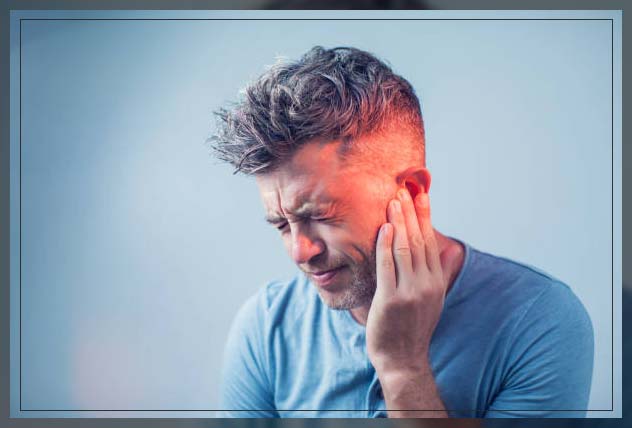
Do you feel a sudden beep in your ears? This is you experiencing ringing in ears also known as Tinnitus.
It either happens in one ear or both of them. It is a sharp, uncomfortable noise, though when it happens it doesn’t cause any pain.
The noise, however, may be loud enough to dull the other sounds around you. Though, only you can hear it as it is not an external sound.
It usually occurs because of an underlying condition, therefore it is a symptom of another condition.
To know about the causes, symptoms, treatment and remedies of Tinnitus, keep reading below.

Causes of Ringing in Ears
The hair in the inner ear break and bends as you age and get more exposure to loud sounds.
These hair cells move when they detect sound and send electrical signals to the brain.
However, if they are bent or they break then they will randomly send electrical signals to the brain which will result in ringing.
Moreover, if you get any head injuries or face any injury in the neck area then you feel this sound in either one of your ears where the injury exists such as only ringing in left ear.
Another cause is the buildup of ear wax inside your ears. Though dirt and infection can also block your ear canals. This alters pressure in the ear leading to Tinnitus.
Your ear bones may stiffen because of a hereditary issue and result in ringing. It may also indicate Menier’s disease which results because of irregular levels of fluid pressure.
Furthermore, if you have issues with the Temporomandibular joint then it will lead to problems in the head, neck and ear area, therefore, resulting in ringing.
Medicines such as nonsteroidal anti-inflammatory drugs, medication for cancer, antidepressants, antibiotics, antimalarial drugs and diuretics can either cause or worsen tinnitus.
In fact, this uncomfortable sound can disappear as soon as you quit taking these medicines.
Furthermore, you may also get muscle spasms which cause the inner ear to tense up and feel full. This might be a side effect of Multiple Sclerosis.
Conditions like high blood pressure and other blood vessel disorders can lead to a rise in pressure in the vessels. This increase in the flow and force of blood pressure can contribute to an increase in tinnitus.
There are other conditions and diseases which can cause tinnitus. However, most of these relate to the inner ear and damage to that.
Other Causes and Risk Factors
- The tube connecting the throat to the middle of the ear is always in a state of expansion. Hence, the ear feels full which is known as eustachian tube dysfunction.
- Tumors in the head neck and brain region can cause tinnitus. Especially the acoustic neuroma that exists on the cranial nerve.
- Autoimmune disease such as lupus
- Thyroid
- Diabetes
- Medical conditions such as rheumatoid arthritis
- Pulsatile tinnitus, the ear rings because it is aware of blood flow
- Ear infection
That means some people are more prone to getting tinnitus than others. Health problems like high blood pressure, diabetes, arthritis, heart disease can all increase your risk.
Moreover, age affects the hair cells in your ears and interferes with the functioning of the nerve fibers hence, the frequency of experiencing this sound increases.
Furthermore, drinkers and smokers are more likely to develop it over time.
Similarly, people who hear very loud noises such as firearms or even music are susceptible to developing tinnitus.
Therefore, soldiers in war, factory workers and construction workers as well as the common listener of music are at risk of getting high-pitched ringing in ears.
While the random sound in ears for a few seconds is definitely uncomfortable, it can also lead to a few more problems.
People with tinnitus may also have difficulty sleeping. Furthermore, they may get into depression and irritability.
You are likely to also experience frequent headaches with it and also have fatigue, anxiety and stress.
Eventually you may have difficulty concentrating and face memory issues. Though these complications may differ for every person.
Symptoms and Diagnosis
Now that you know the causes, let’s have a look into how does it actually feels like.
There can be sharp and sudden ringing or sound inside the ears. This sound is similar to buzzing.
Though, you may also experience something like hissing, clicking or humming also at times roaring.
Though these sounds are not present in the external environment. People go through subjective tinnitus where only you are aware of the sound and no one else can hear it.
The pitch and intensity of the sound can differ. It may either be a high-pitched squeal or just a low roar.
Usually, people get a sudden attack but for some, it may be present all the time. It can be loud enough to interfere with your thinking and concentration.
Identify the kind of sound you experience and let your doctor know. The kind of sound can help determine the cause behind it. For instance:
- The most common sound is the High-pitched ringing. It can indicate exposure to loud noises, a tumor, or hearing loss. It can also result from taking certain medications.
- Rushing or Pulsing sounds occur because of changes in blood pressure. You can notice them during movement when you stand up or exercise.
- A low-pitched ringing represents a blockage of the ear canal, stiffening of the bone or Menier’s disease.
- A clicking sound is usually the result of muscle contractions that are happening around your ears.
Other than this, your doctor will carry out some diagnostic tests to determine the exact cause of your condition.
These include imaging CT Scans and MRI. You may also get a blood test to look for underlying medical conditions that may cause the ringing such as the thyroid.
Moreover, you will get an audiological exam. This includes sitting in a soundproof room wearing a headphone that releases sound in one ear at a time.
You will note when you hear the sound. Moreover, your doctor will check for your movement.
You will move your arms, neck, jaw and eyes to notice the sound. If it occurs then they can identify the medical condition causing it.
Ringing in Ears Treatment
1. One of the causes of Tinnitus is ear wax. Hence, removing any blockage in your ears can help clear the ear canals.
2. Your ringing can occur because of pressure in blood vessels or some other medical condition. In order to remove the symptom, you should remove the cause.
Hence you will need to treat your condition with proper medicines. Speaking of medicines, if any of these cause your irritable ringing then your doctor may prescribe you an alternative if possible.
3. A hearing aid can help reduce the ringing due to hearing loss. Most people go through ringing because of a hearing loss as they age.
Hence, if you tend to hear well then you are less likely to notice the ringing in your ears. Your brain will no longer recognize different sound frequencies due to hearing loss.
4. Similarly, sound masking devices work to reduce the ringing by masking the sound.
These devices fit in the ear or are on an external device that produces sound either slightly louder than the environment or one that totally masks the ringing.
These contain white noise and other ambient sounds which are also really good for sleeping and relaxing.
They are also available in pillow speakers where the white noise is a static environmental sound such as ocean waves.
These sound machines manage to mask any effect of the ringing or at least make it less noticeable to you.
5. Behavioral treatments can also help change your outlook about your symptoms.
Tinnitus retraining therapy happens with a counselor who gives you a sound masking device as well as counseling. Over time the ringing becomes less noticeable.
Similarly, Cognitive Behavioral Therapy can help reduce the effect of the ringing on your behavior and can help you cope with it.
Furthermore, it can also solve other related issues like depression, stress and anxiety that ringing stems from.
6. Drugs such as antidepressants and anti-anxiety can also decrease Tinnitus.
Though usually, medicines do not cure it, these drugs may address the underlying cause and make you stress-free. Hence, also reducing the ringing.
7. Exercise allows you to remain mindful and reduce your stress symptoms. Hence, incorporate it in your routine.
You should aim to work out for 150 minutes in a week. Start your routine with only 10 to 15 minutes daily and then expand it to 30 minutes.
8. You should also take some precautionary measures to prevent your condition from worsening.
If your work is responsible for your tinnitus then make sure that you wear hearing protection. This is worn over the ear and it can protect you from loud noises if you work with firearms, music instruments or loud machinery.
9. Exposure to loud noise can eventually cause tinnitus hence, you should take steps today to prevent it in the future.
Lower the volume of the music you hear, the videos you see and the podcasts you listen. You should be able to recognize sounds from people around you while wearing any headphones. Do not cross the safe limit that your phone cautions you about.
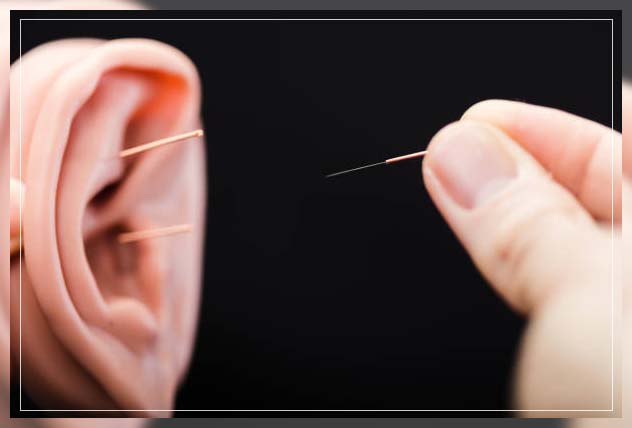
10. You can also try zinc supplements, alternate medicines, acupuncture and melatonin.
Though, there needs to be more research on their effectiveness.
Overview
Ringing in ears may or may not be curable but you can try to make the sound with other pleasant noises.
The more you will notice it, the adverse it will get. Hence, you should try therapy to be able to not pay much heed to it.
However, it is best to treat it or reduce its extent so that you can improve your quality of life.