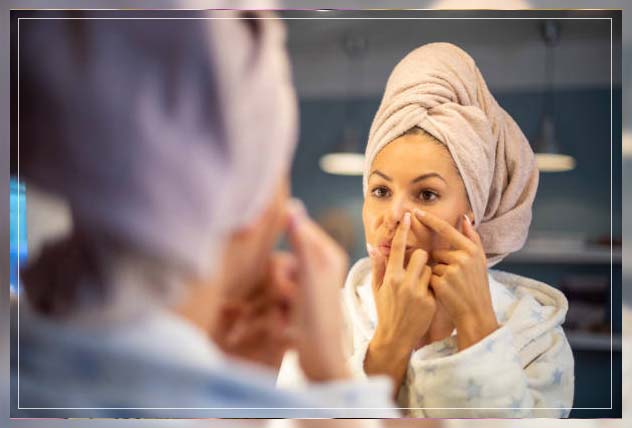
For women, acne, especially if severe, could lead to anxiety, embarrassment, social isolation, and permanent skin scarring. Severe acne scars can even lower your chances of employment in some specific industries. You might be surprised to know that dermatologists have been using birth control pills to treat acne in women for decades. However, the FDA has only approved three pills to treat acne.

Unfortunately, they can happen at any time during your life, not just during the teenage years. At times acne can be incredibly hard to treat, as it is often related to hormonal fluctuations. Women have a close association of acne with the menstrual cycle and perimenopause.
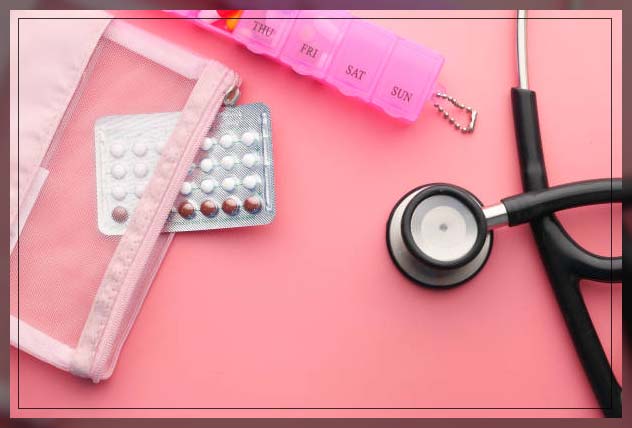
In general, your doctor will advise birth control to treat acne for healthy women who also need contraception. When topical creams, and oral antibiotics have failed to clear up your skin, this treatment can be a good option. Discussed below are the benefits and risks of taking birth control pills for treating acne. It can help you make an informed decision about what option is right for you.
How Does Birth Pills Control Treat Acne?
As you grow through your teenage years, you will notice a clear relationship between hormones and acne. Some of you might experience premenstrual flare-ups of acne as your hormone levels shift during the cycle. And for some women, acne simply lasts through the years, even after menopause.
An excess production of sebum triggers acne. Sebum is an oil made by the glands in your skin. Together with skin cells, sebum can clog the pores and promote the growth of bacteria. These bacteria actually contribute to the formation of acne. A group of hormones in your body called androgens, which includes testosterone, stimulates your skin to produce sebum.
A woman’s adrenal glands and ovaries normally produce a low level of androgens. If your body produces higher levels of androgens, it can lead to excess sebum. If you take birth control pills that contain both estrogen and progesterone, it lowers the number of androgens in your body. This results in less sebum production and hence less severe acne.
Unlike teenage acne, your hormonal adult acne could be stubborn. If your acne is left untreated, it can lead to physical discomfort and emotional distress. If you have a uterus, you can safely and effectively treat stubborn breakouts by implementing hormonal birth control.
It is interesting to know that taking the birth control pill can lead to health benefits for teenagers and adult women alike. All because if you have clearer skin, it decreases stress and improves self-esteem. The following content will discuss the relationship between birth control and acne treatment.
Types of Birth Control Pills to Treat Acne in Women
You might have noticed that the last decade has seen an explosion in new types of birth control. But so far, out of the huge list, only three types of birth control pills have been approved by the FDA for treating acne. It has been an effective topical agent for many years and is available in different formulations.
All these three are “combination” oral contraceptives approved by FDA and contain both progesterone and estrogen. Birth control pills that contain only progesterone can make acne worse. You have to be careful while taking these pills. If the formula is different, it might not have the same effect.
Each type of birth control pill used for acne only contains a low dose of the same form of estrogen. But what varies is the progesterone. Meaning each one uses a different form of progesterone.
The FDA has approved the following types of birth control for acne:
- Estrostep uses estrogen combined with a progestin called norethindrone. You can find the pill with different doses of estrogen.
- Ortho Tri-Cyclen pill also uses estrogen combined with a progestin called norgestimate. A progestin is a synthetic, or manmade, a form of progesterone. This pill is available with different doses of progestin.
- YAZ is another FDA-approved pill. It uses estrogen combined with a manmade form of progestin called drospirenone. The FDA has concluded that taking birth control pills containing drospirenone might increase blood clots’ risk compared to pills that contain other progestins. Other brands containing drospirenone include Gianvi, Beyaz, Ocella, Loryna, Safyral, Yasmin, and Syeda.
Studies have not shown a major difference among these three pills regarding how well they treat acne.
Acne More Common in Adult Women
You might be knowing that acne is a direct result of an imbalance of hormones. The ovaries produce two kinds of hormones – estrogen (the female hormone) and progesterone (the hormone needed to make testosterone). Your body needs progesterone for implantation of the fertilized egg in the uterus and for maintaining pregnancy.
Similarly, estrogen is a hormone that plays an important role. It helps develop and maintain both your reproductive system and female characteristics like breasts and pubic hair, in females. But when there is an imbalance of the two it is a matter of concern.
Sometimes, when your ovaries produce estrogen, it gets turned into progesterone – it is the excess of this progesterone hormone that can lead to acne formation. Fortunately, birth control pills turn this function off.
The pill prevents the excess of male hormones in your system. More specifically, when you are on the pill, it creates a protein that binds to the extra male hormones, which results in less production of the hormone.
Treating Mild to Severe Acne With Birth Control Pills
These three FDA-approved oral contraceptives discussed above can treat moderate acne in women. Women who can take the pills are:
- Are at least 14 or 15 years old (depending on the brand)
- Who have already started menstruating
- Need contraception
In actual practice, most doctors generally prescribe birth control for the full spectrum of acne, from mild to severe.
In addition, your doctors might prescribe additional birth control products for acne. For example, the oral contraceptives Alesse and Yasmin both have clinically shown to improve acne. But only one of them is approved by the FDA for this use.
If you are already taking an oral contraceptive that works well in treating acne, you do not need to switch brands. But if you take birth control pills for acne for the first time, it is advisable to use one of the three types already approved for acne treatment.
You need to note that you have to keep taking an oral contraceptive for a few months before your skin starts to clear. However, an initial flare-up of acne is common when you first start taking birth control pills.
Birth control pills work on only one acne-related factor as it is a condition of excess sebum production. Your doctor can also prescribe other forms of acne treatment like topical medications or antibiotics. These you should use alongside for the best results in clearing your skin.
If you have a condition of severe acne along with irregular periods, obesity, or excess facial hair, then talk to your doctor. Your doctor might do further testing for a medical condition called polycystic ovary syndrome or test for other hormonal conditions.
How Long Does it Take for Birth Control Pills to Help Acne?
It can take as short as 4 to 6 weeks or as long as a few months once you start taking the birth control pills to notice a significant decrease in acne. It might be common to experience an initial flare-up of acne, but this should eventually go away.
The process takes a while because your body might need a few months to get used to the new hormones introduced. However, if you have more severe acne you will need to use topical medications or other acne treatment products (like topical or oral antibiotics) to get the best results.
Several clinical trials have shown that if you take a combination of birth control pills, it can result in:
- Decreased acne flare-ups
- Less inflammation
- Fewer pimples
- Less severe acne
You can find many women with severe acne often combine oral contraceptives with other acne treatments. You need to note that taking birth control pills for acne offers one of the most reliable solutions if you want contraception. But what is more important is that the pills should be taken on schedule as prescribed.
Outlook
If you observe that your acne does not clear up with basic OTC methods, you should talk to your doctor about what acne treatment might best suit you. Your doctor might suggest a combination of birth control pills which might be a good option.
According to a study, birth control pills can be a first-line alternative to taking antibiotics for acne. It is very helpful in the long-term treatment of acne in women.
If you start taking combination birth control pills to improve your acne scars, it may take anywhere from a few weeks to 2 to 3 months before you see a visible improvement. This is probably because your hormones need time to get into your system and show their effects.
If you are unable to find a suitable birth control pill that could treat your acne or meet your needs, talk to your doctor. He can help you find another treatment option. You should discuss this with your dermatologist before starting a birth control method. Only your dermatologist can determine the safest and best fit treatment plan for you.