Cellulite, as you might have heard, is a widespread cosmetic issue. In the past, there have been instances when these cellulitis has been notoriously difficult to treat. Thanks to new non-surgical technologies, cellulite treatment has now become easy.
Cosmetic surgeons now can more effectively address the structural causes of cellulite. This has helped to reduce the skin dimpling and restore a firmer, smoother texture to skin affected by cellulite.
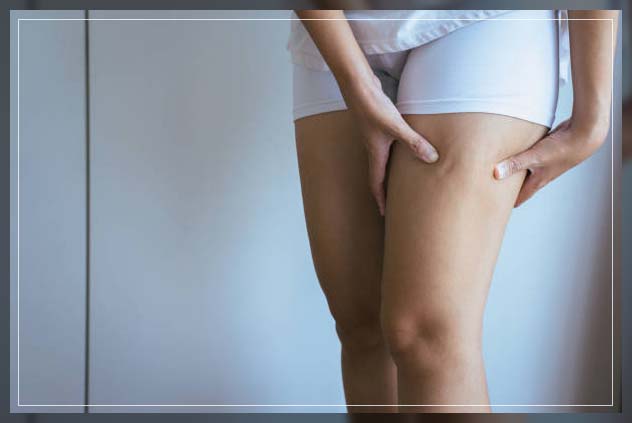
Cellulite is the dimpled-looking skin that you might commonly notice in the thigh region. It forms when fatty tissue deep within the skin pushes up against the connective tissues.

It’s estimated that more than 85 to 90 percent of all women above 21 years have cellulite. It is not as common in men. Cellulite is typically noticed on the abdomen, thighs, and buttock region.
Keep reading to find out to learn more about your treatment options.
What is Cellulite?
Cellulite is the dimpled appearance observed on your skin that some people might have on their hips, thighs, and buttocks. Cellulite commonly occurs more in women than in men because of differences in the way muscles, fat cells, and connective tissue are distributed under men’s and women’s skin.

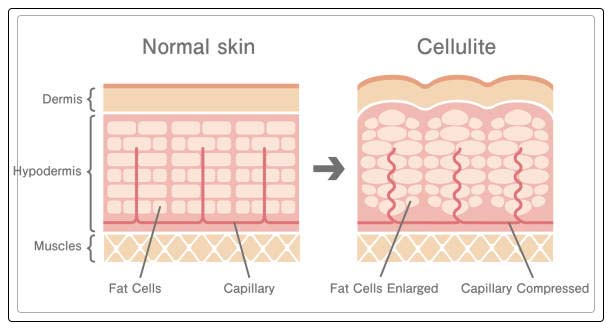
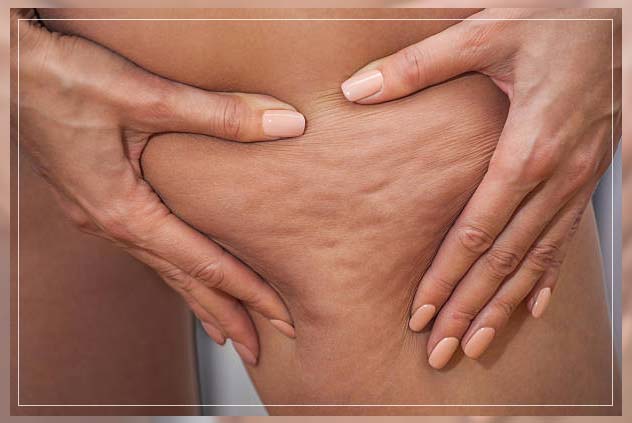
Fat deposits under the skin push and distort the connective tissues causing the appearance of lumpiness. This often leads to the characteristic “cottage cheese” changes in the appearance of your skin. Doctors refer to cellulite as edematous fibrosclerotic panniculopathy (EFP).
Note that cellulite is not related to the condition known as cellulitis, which is a spreading bacterial infection. Or inflammation of the skin and tissues beneath.
What Causes Cellulite?
The dimpled appearance of cellulite is quite normal. Many factors that can influence the extent to which cellulite is present or visible. These reasons could be heredity, gender, skin thickness, the amount and distribution of your body fat in a particular area.
Cellulite forms when fibrous bands, septae – which connect your skin to the underlying muscle fascia start to tighten irregularly. As a result, it pulls down on the skin, and your skin begins to break down. The process allows the normal layer of fat beneath your skin to push upward.
Cellulite can occur in people of all races living all around the world. In reality, female hormones play a vital role in contributing to this pattern of fat distribution, but cellulite is not treatable by hormone therapy.
Cellulite primarily occurs due to shrinkage or shortening of the fibrous tissue cords responsible for anchoring your skin. While cellulite is more common among women than men, men might also develop cellulite symptoms. This results in the puckering or ‘cottage cheese’ like appearance.
The aging process can worsen the appearance of cellulite, as your skin loses elasticity and is less able to resist irregular tension created by these fibrous bands.
Whereas overweight individuals tend to have more pronounced cellulite, it is common even in very lean women. However, by losing weight, you can rarely get rid of cellulite altogether.
What are the Cellulite Treatment Options?
Many people dislike the appearance of cellulite and hence prefer to have skin as smooth as possible. Therefore, many treatments exist, ranging from cellulite creams to dietary changes to mechanical therapies.
Your cosmetic surgeon might use a variety of treatments to help reduce your cellulite. While none of them are permanent, many of these treatments can help achieve results that would last a year or longer.
Below, we outline the most commonly used treatment types and the benefits of these treatments. Moreover, your treatment might also depend on what area your cosmetic surgeon will treat.
1 Laser Treatments
Laser cellulite reduction treatment uses a tiny laser probe inserted beneath your skin through a small incision. This laser will heat the tissues beneath your skin surface during the process and release some of the fibrous septae.
In addition, the heat from the laser reduces the thickness of the subcutaneous fat layer, which helps stimulate collagen production. This treatment improves your skin texture and elasticity.
Although the procedure involves tiny incisions, laser cellulite reduction is considered minimally invasive and can be used to treat the abdomen region.
One minimally invasive laser treatment used for the treatment is called Cellulaze, approved by FDA. It involves the insertion of a tiny laser fiber beneath the skin.
Your doctor can efficiently perform the procedure in-office, using local anesthesia. The downtime required is typically limited to 1 to 2 days. You can typically achieve the desired result after one treatment.
The FDA has approved certain light-therapy devices that treat cellulite by combining suction or massage with light therapy to reduce the appearance of cellulite. TriActive is one such treatment that combines suction and low-level laser treatment to manipulate your skin.
Velasmooth or Velashape is a treatment combining massage and laser therapy. You might require multiple treatment sessions and maintenance treatments to sustain your improved appearance.
2 Non-laser Energy Treatments
Many cellulite reduction treatments use radiofrequency (RF), infrared light, ultrasound, or radial pulses to heat the skin and reduce cellulite by stimulating collagen production.
Depending on the specific treatment, energy-based cellulite reduction the procedure might also help achieve mild fat reduction. As a result, you can achieve a smoother and even skin texture. FDA has cleared many of these treatments.
You doctor will deliver energy-based cellulite treatments through your skin. Therefore, these are non-invasive treatments and usually require minimum or no downtime. Your doctor might recommend a series of these treatment for optimal results. Remember, the results are temporary, so you might need to repeat the treatment every few months to maintain desired results.
3 Massage and Topical Cellulite Treatment
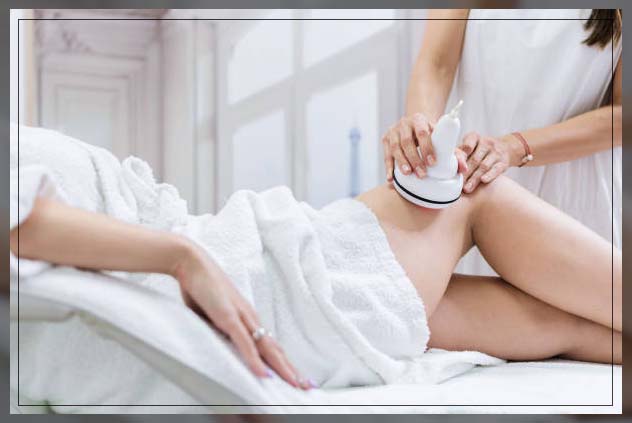
Over the years doctors have used specialized massage techniques to address cellulite. These typically use a roller or vacuum suction to ‘knead’ the skin and subcutaneous fat. While most people might have mild inflammation in the treatment area, it has no side effects for others.
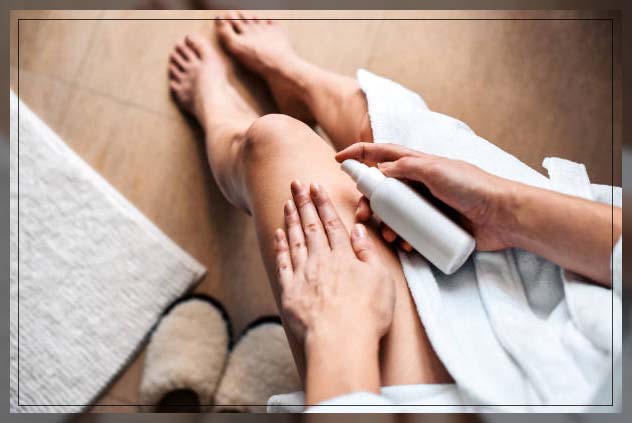
Most people who are bothered by cellulite often try using cream or lotion that promises to improve cellulite. Only some of these medical-grade products can help gradually improve collagen production over a period.
Even high-quality products are rarely effective on cellulite, as this condition requires more extensive remodeling of connective tissue, fat, and collagen than a cream can provide.
Most of these machines are available to massage the areas affected by cellulite. These machines generally use rolling cylinders to gather areas of your skin and massage them inside a chamber.
One example of massage treatment uses an electrically powered device that suctions, pulls, and squeezes affected areas. The French technique is called Endermologie, used for cellulite treatment since the mid-1990s.
The treatment lasts for only half an hour, and 10-12 treatments are required before noticeable results. The technique works by redistributing fat rather than permanently altering its configuration under your skin.
4 Dietary Supplements for Cellulite Treatment
Several products have been marketed and contain a variety of ingredients such as sweet clover, ginkgo biloba, grape-seed bioflavonoids, oil of evening primrose, fish oil, bladderwrack extract, and soy lecithin.
These preparations claim to have positive effects on your body, such as improving circulation, boosting metabolism, protecting against cell damage, and breaking down fats. However, most of these claims are difficult to evaluate, as is the case with many supplements and alternative therapies.
5. Cryolipolysis and Ultrasound
Cryolipolysis, also called CoolSculpting Dubai, is a non-invasive procedure. The treatment can successfully remove cellulite by freezing the fat cells beneath the skin layer. The procedure causes the fat cells to rupture and your body absorbs the contents.
You may need several treatments to dissolve an inch of fat. Hence the treatment might take three to four months to see a noticeable reduction in cellulite.
Ultrasound is also a non-invasive procedure. It primarily uses sound waves to target and eliminates fat in the thighs and abdomen. Your doctor would recommend combining ultrasound with another cellulite treatment. This will allow you to use ultrasound to measure the effectiveness of your cellulite treatments.
Home Remedies for Reducing Cellulite
Several popular home remedies are often used to treat cellulite. But most of them lack scientific evidence. However, you can also use home remedies as part of a self-care routine to go along with your lifestyle and exercise habits.
1 Exercise
Daily exercise can help you reduce body fat, thus making cellulite less noticeable. Choose exercise programs that combine aerobic exercise and strength training. This will help burn body fat, and in addition, tone and define your muscles. A more muscular body will look and feel smoother and firmer. Create an exercise routine that primarily focuses on the areas of your body that are prone to cellulite.
2 Dry brushing
You can use a natural plant loofah or body brush to smooth your dry skin for about five minutes gently. Start at the feet and keep moving up. You can use long fluid strokes or circular motions.
This technique helps stimulate blood and lymph flow in your body. It also removes dead skin cells and produce new cell growth.
3 Coffee grounds
Using coffee grounds as an exfoliate is a popular way to remove dead cells, encourage new cell growth, and tighten your skin. You can use coffee grounds alone or mix it with coconut oil, or olive oil. Gently rub the grounds over the affected area and then rinse it off.
Coffee grounds may reduce bumpiness, stimulate blood circulation in your nerves, and promote lymph flow.
4 Apple cider vinegar
Apple cider vinegar might help with weight loss. Drink one tablespoon of diluted apple cider vinegar thrice daily.
Why Choose Us for Cellulite Treatment
We recognize that you might have many choices of providers when it comes to perfecting your appearance. However, at REPC Dubai we provide our patients with a top-notch experience. Our dedicated and qualified staff and state-of-the-art technology will make the difference in achieving the results you want to see. Book an appointment today or give us a call today.
Read other articles in similar topics like plastic surgery, plastic surgery Dubai, belly fat, buccal fat removal, and more.