

Fast Food Is Not Good For Your Oral Health
As we all know, fast food has become a staple of modern eating. Especially when you have a hectic schedule, it is much easier to hit the drive-through than prepare something fresh at home from scratch. Unfortunately, you might not realize that – fast food is not the healthiest option, and you should avoid it.

It is important to note that consuming fast food may lead to life-long health problems. Problems such as obesity and diabetes are typical. It can also increase your risk of developing cavities and gum disease. If you are among those regular fast food eaters, you should positively read and share this article on how it may impact oral health.
The Connection Between Fast Food and Oral Health
1 Salt and sugar are bad for oral health
Because of its added sugar and salt, fast food is bad for oral health. When you eat it, debris is more likely to stick to your teeth. This food debris will slowly allow acids to build upon your teeth’s surface. Eventually, this may cause tooth cavities and tooth decay.
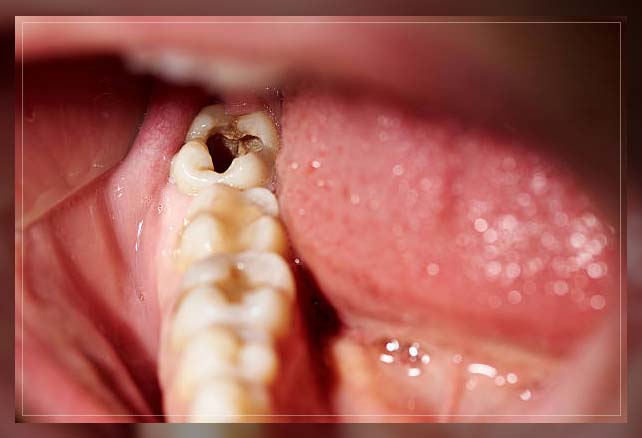 Research on fast foods has confirmed that a single fast-food meal may contain 1,300 mg of sodium. This amount of sodium is more than half of the upper recommended limit in a single day.
Calcium gives your teeth strength and structure. If you consume a high-sodium diet, it will cause your body to excrete calcium. Thus leading to tooth loss and even osteoporosis in the future.
2 Soda pops can wear down tooth enamel
You also order a soda pop when you grab a cheeseburger from your favorite fast-food joint. The sugars found in carbonated beverages affect and break down your tooth enamel. Thus making them more prone to decay and cavities.
 Most of these carbonated drinks contain sugar that erodes your tooth enamel and makes them prone to tooth decay and cavities. Just imagine one 12-ounce can of soda – it may have ten teaspoons of sugar. The figure is far more than the American Heart Association recommends for an entire day.
3 Diabetes can impact gum health
Eating fast food regularly can increase the risk of developing diabetes symptoms. Diabetes can then lead to other dental problems.
 Several studies over the years have confirmed that individuals with diabetes are already at higher risk of periodontal disease. Therefore, it becomes imperative for individuals to maintain good blood glucose levels if they have diabetes. Only then can they prevent its harmful effect on their oral health.
Moreover, soda can add around 150 excess calories to your daily intake. Soda contains sugar linked to various health problems, like heart disease, diabetes, weight gain, metabolic syndrome, fatty liver, and arthritis. But note that soda is not the only culprit.
Other beverages like energy drinks, fruit juice, lemonade, sports drinks, iced tea, coffee drinks, and sweetened waters are harmful to your waistline and to your gum line.
4 Find alternatives to fast food
If you want to protect your teeth and gums and at the same time promote good oral hygiene for the rest of your family – you should start looking for alternatives to fast food.
 You might not have time to prepare fresh meals at home, but there are other ways to get your nutrition without damaging your oral health. When you need to eat out, try selecting items less likely to stick to your teeth, such as fresh food and salads.
Also, avoid soda pop and other carbonated beverages. Instead, order water to save both money and your teeth..
5 Use proper oral hygiene habits
It is always a good idea to encourage and practice good oral hygiene. You do not have to give up fast food altogether, but you can decrease the damage it might cause.
 The oral bacteria generally thrive on sugar produced in your mouth with food items rich in carbohydrates. The interaction between these simple sugars and oral bacteria often creates harsh acids that damage your teeth. Your tooth enamel erodes, leading to tooth sensitivity, gum disease, tooth decay, and more.
For instance, you should always brush your teeth and floss after eating fast food. Try chewing on sugarless gum if you do not have a toothbrush and floss available. If you can remove the buildup of food debris, you can limit the harm caused by eating fast food.
Fast Food is a Big NO for Children
Oral hygiene and dental health are closely connected and play a vital role from childhood. If you want your kids to have a solid and beautiful smile and no toothache or cavities, try to reduce fast food or junk food intake.

The more your child is prone to eating junk food or eating out at the food joints, stop today. Also, if you are in the habit of packing food, then stop these habits immediately.
As you know, most parents today are working. Hence they follow a hectic lifestyle. They are too busy with their lives to understanding that nutritious food is essential for their kid’s overall growth and development.
You should indeed try to stop your child from gorging on chocolates. But at the same time, you also need to ensure they have enough nutritious food available to eat.
We all know that pizza, fries, burgers, and ham sandwiches are easy choices as they are cheaper and readily available. But remember that these foods have high sugar content and hence are low in nutritional value. Their sugary and acidic content may erode your enamel if you consume these fast foods too often.
The truth is that it is not harmful if you bring junk food home occasionally. But for most of you who find it an easy alternative, think twice before buying them. You will probably need to care for your dental health and the little kids in their growing years.
Besides healthy, nutritious food, you should regularly take your kid to the dentist for examination. You must ensure that your kid gets the right nutrient content in their daily diet and proper dental care.
Overall Health and Fast Food
Maintaining poor oral health will result in constant dental pain and cavities. Once cavities start to form, you may have to avoid hard food such as fruits, meat, and vegetables. Which are healthy for your body.
Note that junk food will result in poor nutrition. Therefore, do not let yourself kid fast food that is more comforting to your teeth, like high sugar beverages.
Remember that it is a vicious cycle. The consumption of junk food will increase your chances of developing serious illnesses. They could be diabetes and obesity, which generally have long-term implications.
As you know, obesity is a menace and needs urgent medical attention. The lack of healthy, nutritious food and exposure to junk food has resulted in poor eating habits. Moreover, there might also be other development problems among children.
Therefore, you can say that dental health is closely related to fast food – especially in children. As parents, you should take precautionary measures to avoid the intake of junk food daily.
Fast Food Lead to Tooth Cavities
If you are eating fast food frequently, it will develop into a habit, and it is hard to quit snacking altogether. Especially when festival season is around the corner, it becomes even more difficult.
So you know how difficult it is to brush and floss after every snack. So what should you do? You do not necessarily have to quit snacking on fast food altogether. But you can take many other steps to prevent yourself and your kids from visiting the dental clinic with a cavity or tooth decay.
As we all know, abundant sugar will make fast food bad for your teeth and gums. Most of your favorite junk foods contain loads of sugar – that is why they are called junk.
If you frequently snack on these treats and keep sipping on sugary drinks, your likelihood of dental problems will increase. The harmful oral bacteria found naturally in your mouth feed on the sugars in these treats. As a result, these bacteria create acids and erode your tooth enamel.
If this tooth decay process progresses after a few months, the enamel starts to break down. You may notice white spots on your tooth, which may darken to a brownish spot.
At this stage, you will start to see small holes develop in the teeth as the enamel is weakened. This process indicates the formation of cavities or early childhood caries.
If you do not brush off these sugars as soon as they accumulate, the acid may continue to eat away at your enamel. Thus wearing it down which leads to tooth decay – which when severe may require a root canal procedure with a dental crown.
Fast Food vs. Healthy Diet
You may ask why a healthy diet is important for oral health? Do you know that your teeth are under acid attack for nearly an hour every time you consume sugary food? The reason is that the sugar you intake will react with the bacteria in plaque and chemically produce harmful acid.
Therefore, you should make an extra effort to control sugary drinks and foods just at mealtimes. This will limit the time your whole mouth is at risk or is under any acid attack.
It is important to note that acidic foods and drinks can also harm your teeth and gums. The acid will slowly wear away or dissolve the enamel, thus exposing your teeth’ dentin layer. It can also make your teeth more sensitive.
A diet rich in minerals, vitamins, and fresh fruit and vegetables can be beneficial in preventing gum disease. If gum disease is not treated early, it may lead to tooth loss causing bad breath.
In summary, your oral health is crucial, and you need to take precautionary measures to avoid consuming junk food frequently. In addition, you need to visit your dentist every six months to examine your teeth. Lastly, you must ensure that you and your family have a daily dose of the proper nutrients, including calcium, in your meals.
Stomach Flu or Food Poisoning: Learn the Differences
seek medical Stomach flu is an intestinal infection that includes signs and symptoms like watery diarrhea, stomach cramps, nausea, vomiting, and in some cases fever.
However, in some cases, you may confuse stomach flu with food poisoning.
This is because these illnesses tend to have similar symptoms and can come quickly.
So it can, in some cases, be difficult to differentiate between them.
Stomach flu tends to develop when you have an infection or consume contaminated food.
Moreover, you will need to let the infection run its course until it subsides.
However, with the help of home remedies, you can try and treat it at home as well.
While food poisoning takes place due to bacteria, viruses, or parasites.
Furthermore, it can cause symptoms like fatigue, diarrhea, fever, chills, headaches, etc.
Keep on reading to learn more about stomach flu and food poisoning in detail.
Stomach Flu vs. Food Poisoning: At a Glance
| Stomach bug | Food poisoning | |
| Cause | viruses | bacteria, viruses, or parasites |
| Incubation period | 24-48 hours after exposure to the virus | 2-6 hours after eating contaminated food |
| Symptoms | diarrhea or constipation, fever, vomiting, nausea, stomach or intestinal cramps, joint stiffness, weight loss | diarrhea, fever, vomiting, fatigue, general malaise, muscle aches, headache, sweating, eye swelling, difficulty breathing, thirst |
| Prevention | • wash your hands if you’re sick or have been around someone who is sick • seek medical advice or talk to your doctor about the vaccine for rotavirus • if you’re sick, stay home and avoid spreading it to other people |
• keep your food preparation area and equipment clean • cook meats and seafood • make sure to refrigerate perishable foods • discard questionable foods |
Symptoms of Stomach Flu
You will probably hear people talking about the stomach bugs or stomach flu going around at work or your child’s school.
However, what exactly is it?
The technical term for this sickness is viral gastroenteritis.
It is an inflammation of the stomach and intestines that occurs due to a viral infection.
In case of a stomach bug, you can have one or more of the following symptoms:
 Moreover, you may also have joint aches, muscle aches, headaches, and general malaise.
People often develop stomach bug symptoms within 12 to 48 hours of exposure to the virus.
While many cases of the stomach flu tend to resolve within a couple of days.
However, the exact timeline also depends on the exact type of virus causing your symptoms.
Some can take as long as 10 days to begin after the infection, and it can last for up to 2 weeks.
In case your symptoms persist, talk to your doctor or seek medical advice to rule out any complications or other illnesses.
Symptoms of Food Poisoning
It is more common than a stomach bug and about 48 million people experience food poisoning each year.
Usual symptoms of food poisoning are:
- stomach or intestinal cramping
- fatigue
- diarrhea
- fever
- chills
- muscle aches
- headaches
Moreover, it can cause symptoms like sweating, thirst, and general malaise.
 However, in severe cases, you can also have bloody stool or vomit, severe abdominal cramping, shock, and loss of consciousness.
The symptoms of food poisoning can appear anytime within hours to days or even weeks after initial exposure.
Furthermore, it also depends on the pathogen causing the food poisoning.
While symptoms tend to get better within 2 days.
Can Food Poisoning be Fatal?
It is important to note that most forms of food poisoning are not fatal.
One form, i.e. botulism can be fatal if you do not get treated properly.
The bacterium Clostridium botulinum causes this type and it produces toxins that impact the nervous system.
Moreover, botulism can cause blurred vision, drooping eyelids, slurred speech, and other neuromuscular symptoms.
Make sure to seek medical advice or see your doctor if you have botulism.
While Botulism is extremely rare in the United States.
Causes of Stomach Flu
There are different causes of stomach flu. While viruses tend to mostly cause it.
These may include:
- norovirus
- rotavirus
- astrovirus
- adenovirus
The norovirus, by far, is the most common and alone tend to cause 21 million cases of stomach bug in the United States each year.
However, stomach flu that occurs due to rotavirus or norovirus infection is highly contagious.
In the United States, infections most commonly occur between October and April.
The most common way to contract this virus is from direct contact with someone who is sick.
Moreover, you can also contract the virus from contact with a surface that one who is infected has touched.
Causes of Food Poisoning
Food poisoning develops when infected organisms like bacteria, viruses, or parasites contaminate your food.
Bacteria like Staphylococcus aureus and Salmonella are among the top five germs that cause food poisoning in the United States.
Moreover, you can also get food poisoning from eating the contaminated or undercooked meat.
However, affected meat is not the only food that causes food poisoning.
 The following foods can also lead to foodborne illness:
- raw and undercooked eggs
- raw sprouts
- soft or unpasteurized cheeses like Brie and feta
- unwashed vegetables and fruits
- fish and oysters that are raw
- contaminated water
- unpasteurized beverages like milk, cedar, and juice
- uncooked rice
Moreover, it can occur in anyone, however, it is most common in babies, young children, and the elderly.
Furthermore, if you are traveling to an underdeveloped country, you may also be at an increased risk for food poisoning.
Therefore, make sure to never eat undercooked meat, fish, or egg both at home or abroad.
And get water from a trusted source.
When visiting a new country, it is best to rely on bottled water.
Possible Complications
After a number of days with either the stomach flu or food poisoning, you can develop dehydration.
Make sure to watch for the following signs and symptoms of dehydration:
- a decrease in urine output
- dark urine
- dryness in your mouth or throat
- dry diapers
- lack of tears in babies and toddlers
- fast heart rate
- low blood pressure
- excessive thirst
- dizziness, especially while standing
Moreover, babies can have sunken eyes or fontanels when they become dehydrated.
A fontanel is also known as the soft spot on the head of the baby.
Make sure to seek medical attention if any of the above symptoms occur.
Treating Stomach Flu
In most cases, you can treat stomach flu at home.
The best remedy is just to allow yourself to rest and recover from the virus.
However, in case the symptoms persist for more than a few days, you need to seek medical attention.
You can drink plenty of fluids.
While adults can drinks sports drinks with electrolytes and children can also consume fluid replacement solutions like Pedialyte.
 Moreover, these drinks along with water can help to restore the hydration balance of the body.
For best results, make sure to drink a few sips every half hour to an hour.
It is important to limit the intake of sugary drinks as these liquids do not replace lost electrolytes.
Coconut water is a great source of electrolytes as well, also, it is much lower in sugar.
Once you feel ready to eat again, give your stomach a break by slowly introducing bland foods into your diet.
These include cereals, whole grains, bread, potatoes, bananas, vegetables, fresh apples, and plain yogurt.
Make sure to avoid dairy, alcohol, caffeine, spicy foods, and fried foods that may upset your stomach again.
Treating Food Poisoning
If you experience blood or pus in your stool, diarrhea that lasts for more than 3 days, fever above 102°F (38.8°C) in adults or above 101°F (38.3°C) in children, symptoms of dehydration, botulism, and food poisoning, contact your doctor.
In case of mild food poisoning, it may respond well to rest and fever-reducing medications.
However, if you have a severe case of food poisoning, you may need to be admitted to the hospital for intravenous fluid hydrations.
In case of severe bacterial food poisoning, your doctor will prescribe an antibiotic.
Your doctor will review your symptoms and run tests to find the best course of action.
Moreover, they will also give you a list of good foods you can consume, which is just like the above list.
Prevention Tips
Stomach Flu Prevention
Though in some cases, you may call stomach bug stomach flu, the annual flu vaccine will not prevent it.
Different types of viruses tend to cause the stomach flu.
Antibiotics will not help to treat this because antibiotics work to treat bacterial infections, not viruses.
You can take measures to prevent yourself from transmitting the stomach flu to others.
 Moreover, you are most contagious when you are feeling the worst and a few days afterward.
The bug can stay in your stool for up to 2 weeks.
Make sure to wash your hands and stay home from work or school for at least a few days until you feel better.
You can also consider having your baby get the vaccine against rotavirus when they are 2 months old.
Food Poisoning Prevention
Follow the steps below to prevent food poisoning:
- keep food preparation surfaces, utensils, and your hand’s clean
- cook ground beef to 160°F (71°C), roasts, steaks, and chops to 145°F (62°C), and chicken and turkey to 165°F (73°C)
 cook seafood fully
- make sure canned foods are from trusted distributors
- refrigerate any perishable foods within 1 hour
- throw out foods that look or smell questionable
- be careful while drinking water when traveling to developed countries
 cook seafood fully
TakeAway
While many symptoms of stomach bug and food poisoning are the same, it is important to find which sickness you have. The symptoms of food poisoning may occur more quickly after exposure, become more severe than stomach flu, and be shorter in duration than symptoms of a stomach bug.
Depending on the cause, your immune system function, and your overall health, food poisoning or viral gastroenteritis may become severe enough to require medical attention. However, you can manage either condition with rest, hydration, and at-home medical treatment.
If you are unsure about the cause of your symptoms, check in with your doctor to be safe. Other health issues can also cause similar symptoms of gastrointestinal distress. In any case, make sure to call your doctor for help if your symptoms worsen.
Read more about bloated stomach, and more.
Bloated Stomach: Causes, Symptoms, and Remedies
There are a number of reasons for a bloated stomach or abdominal bloating.
These include fluid retention, irritable bowel syndrome, and infection.
However, in most cases, a bloated stomach is harmless and you can easily treat it at home.
Bloated stomach or abdominal bloating is an uncomfortable, full feeling in the belly area.
Moreover, it can be alarming, especially when painful.
Your abdomen can look larger than usual or be shaped abnormally.
Furthermore, you can also have piercing abdominal pain. Yet in most cases, it can be just indigestion or gas building up in the stomach or gut.
In most cases, bloating is not a cause of concern if it is associated with food or eating, does not get worse, and goes away within a day or 2.
Keep on reading to learn more about a bloated stomach.
Bloated Stomach Causes
Bloated stomach or abdominal bloating is common.
In most cases, you may experience the same type of bloating again and again.
Normally, bloating that follows a predictable pattern is not a cause of concern.
However, when the pattern changes or bloating becomes worse than expected, it can be due to different conditions.
It can occur when your gastrointestinal or GI tract is filled with air or gas.
You may describe it as feeling full, light, or swollen in the abdomen.
 Moreover, your abdomen can swell, distend, harden, and can also be painful.
Bloating is also accompanied by:
- pain
- excessive gas or flatulence
- frequent burping or belching
- abdominal rumbling or gurgles
It is important to note that a bloated stomach can interfere with your ability to work and participate in social or recreational activities.
A bloated stomach tends to be common among adults and children.
Let’s learn about the causes in detail:
A Bloated Stomach due to Gas
A buildup of gas in your stomach and intestines is among the most common causes of a bloated stomach.
While other symptoms are:
- frequent burping
- passing too much gas
- feeling a sudden urge to pass stool
- feeling nauseous
Moreover, bloating that occurs due to gas can cause mild discomfort up to intense pain.
In some cases, people also describe the feeling as if there is something trapped inside their stomach.
Possible causes of gas include consuming certain foods like carbonated beverages, dairy, beans, cauliflower, broccoli, and cabbage.
Swallowing air when eating or chewing gum, a stomach infection, chronic illness like celiac disease or irritable bowel syndrome, IBS, and indigestion can cause gas.
In most cases, however, gas goes away on its own after a few hours.
Ingestion causing a Bloated Stomach
Indigestion or dyspepsia is a discomfort or pain in the stomach that can also include bloating.
In most cases, you can experience brief episodes of indigestion from time to time.
It often occurs due to:
- eating too much
- drinking excessive alcohol
- taking medications that tends to irritate your stomach like iburophen
- a minor stomach infection
It is important to note that frequent indigestion with bloating that does not appear to be associated with food or other apparent causes can be a sign of something more serious.
Potential causes can be a stomach ulcer or stomach cancer.
Infection in the Stomach
Stomach infections can cause bloating which can also occur along with:
- diarrhea
- vomiting
- nausea
- stomach pain
These can occur by bacteria like Escherichia coli or Helicopter pylori, or a viral infection like norovirus or rotavirus.
Moreover, stomach infections tend to go away on their own after a few days.
However, in some cases, it can cause serious dehydration or continue to get worse over several days.
In such cases, you should seek medical advice if bloating coincides with fever, bloody stool, and severe and frequent vomiting.
SIBO and Fluid Retention
Your stomach and intestines are home to different bacteria.
These help your body to digest food.
However, when there is a disturbance in the balance of bacteria, it can lead to an increase in harmful bacteria in the small intestine.
This is Small Intestine Bacterial Overgrowth or SIBO.
SIBO can lead to bloating, frequent diarrhea, and difficulties digesting food and absorbing nutrients.
Moreover, these chronic symptoms can also lead to osteoporosis or weight loss in some people.
On the other hand, salty food, changes in hormone levels, and food intolerances can cause your body to hold more fluid than it would otherwise.
For instance, women may become bloated right before their periods on early in pregnancy.
Chronic bloating that occurs by fluid retention can also have more serious causes.
These can be liver or kidney failure, or diabetes.
If bloating does not go away, you should speak with your doctor.
Food Intolerances and Chronic Disorders causing a Bloated Stomach
In some cases, you can have a bloated stomach after eating certain foods.
If you are among people with lactose intolerance, gluten allergy, or celiac disease, then you can have a bloated stomach.
Bloating can also be linked to diarrhea or stomach pain.
However, it tends to go away by removing the problem-causing food.
 While diseases like Crohn’s disease and IBS can also produce bloating.
Crohn’s disease is a digestive tract inflammation and has a certain course and treatment.
In contrast, the cause of IBS is unknown and is often diagnosed when there is no specific reason for the symptoms one experiences.
Both IBS and Crohn’s disease can gas:
- gas
- diarrhea
- vomiting
Also, if you experience unexplained weight loss, you are more likely to have Crohn’s disease.
Gastroparesis causing Bloating
Gastroparesis is a disorder that affects your regular stomach emptying.
As a result, the nerves that regulate stomach motion stop working correctly, which causes food to pass much more slowly through the stomach and intestines.
Symptoms of this condition are:
- bloating
- constipation
- feeling full quickly when eating
- loss of appetite
- heartburn
- nausea and vomiting
- pain and discomfort
Diseases like diabetes or hypothyroidism, in some cases, can cause gastroparesis.
Other Causes of a Bloated Stomach
Some other causes of a bloated stomach are:
Gynecological Disorders
Some gynecological disorders can cause bloating like the monthly period or menopause.
Moreover, endometriosis in which the womb lining attaches to the stomach or intestines can cause bloating, cramping, and stomach pain.
Also, women with early ovarian cancer can also have a bloated stomach as the only symptom of a problem.
However, weight gain, constipation, and pain can also occur.
Constipation
Bloating can begin when food contents build up in the gut and causes constipation.
It can come from dehydration, not enough fiber in diet, food intolerance, pregnancy, certain bowel disorders, nutrient deficiencies like magnesium, and certain medicines.
 In most cases, laxatives, exercises, drinking water, or changing the diet can help to resolve the episodes of constipation and bloating.
Other Causes
In rare cases, abdominal bloating can occur due to other serious conditions.
If you have gallstones or gallbladder disease, you can experience intense abdominal pain that mimics bloating.
Moreover, ascites, a pool of fluid in the abdominal cavity is another condition that leads to abdominal pain and bloating.
The most common cause of this condition of the fluid build is liver disease.
Treatment Options
Bloating can often be safely treated at home by using lifestyle changes, home remedies, or over-the-counter, OTC medications.
Moreover, keeping a food diary to monitor bloating is also helpful as it aids in diagnosing food intolerances and making healthy lifestyle changes.
A number of people fund that avoiding certain foods can help prevent bloating and other gastrointestinal health issues.
Some options are:
Lifestyle Changes
- drinking more water
- reducing sodium intake in the diet
- eliminating foods that cause bloating
- chewing food slowly
- eliminating chewing gum
- exercising regularly.
 Home Remedies
While some home remedies you can try are:
- eating peppermint
- drinking a mixture of baking soda and water
- drinking apple cider vinegar
- applying a heating pad to the stomach
OTC and Prescription Medications
OTC medications for a bloated stomach are:
Antigas Products to break up gas pockets, i.e. simethicone.
Food Supplements to break down problem proteins or sugars, i.e. Beano, Lactaid
Antacids to calm excess acids, i.e. Tums, Mylanta, Maalox.
Bismuth Salicylate to inhibit bacterial infection, i.e. Pepto-Bismol.
Laxative to relieve constipation, i.e. Ducolax or Senakot.
Rectal Suppository or Enema to have bowel movements, i.e. Flee.
Prescription Medications
Your doctor can also prescribe prescription medications like:
- antispasmodics to relax the muscles and help relieve bloating
- certain antibiotics in case of IBS or bacterial overgrowth in the abdomen
- prokinetics to help speed up digestion which can help reduce bloating
- certain antidepressants like citalopram to help reduce bloating
When to See a Doctor?
In rare cases, bloating is a sign of something more serious.
You should see a doctor for bloating or gas if you experience:
- intense pain
- a fever
- bloody stools
- vomiting that lasts longer than 24 hours
- a physical injury like a punch to the stomach or a car accident
- rapid swelling of the abdomen.
Moreover, difficulty keeping food down, surgery, rapid swelling of the abdomen, liver, or kidney failure are some conditions when you should seek medical advice.
Final Thoughts
A bloated stomach can be upsetting and painful. There are simple causes of abdominal bloating like gas, constipation, indigestion, food intolerances, and fluid retention. You can easily treat these symptoms with simple home remedies, and lifestyle changes.
While OTC medications and prescription medications can also help. For most people, the cause can be treated at home and is pretty simple. You should speak with your doctor if the symptoms worsen or do not go away after a few days.
Read related topics on stomach flu, and more.
Glycemic Index: How it Affects Oral Health
A glycemic index is a tool your doctor often uses to promote better blood sugar management. Several factors influence the glycemic index of the food you eat. It primarily includes the nutrient composition, cooking method, ripeness, and the amount of processing the food undergoes.
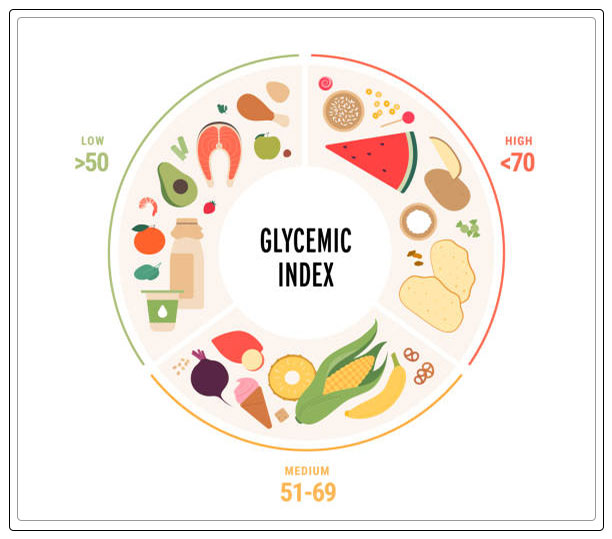 The glycemic index can help you increase your awareness of what you are putting on your plate. In addition, it can also enhance weight loss, reduce your cholesterol, and decrease your blood sugar levels.
Here we take a closer look at the glycemic index, including what it is. We also discuss how it can affect your health and how to use it effectively.
What Is The Glycemic Index?
The glycemic index, also called GI, is a value used to measure how much specific foods increase your blood sugar levels. Foods are often classified as low, medium, or high glycemic foods. Hence they are ranked on a scale of 0–100.
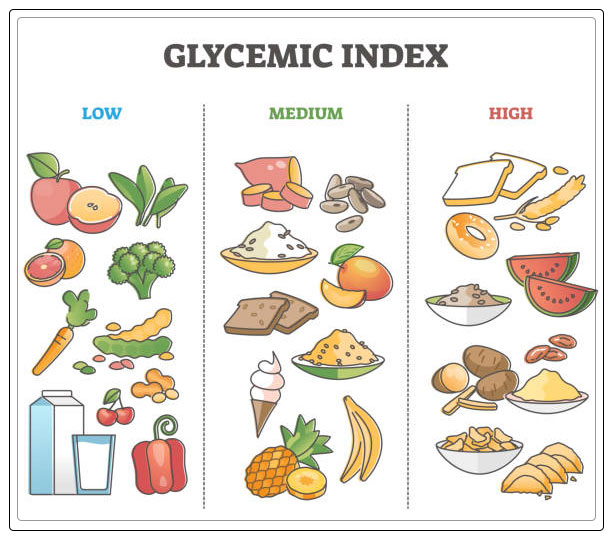 The lower the GI of the specific food, the less it may affect your blood sugar levels. Meaning the food is less harmful to your body.
Here are the three GI ratings:
Low: 55 or less
Medium: 56–69
High: 70 or above
Foods high in refined sugar and carbs are digested more quickly; hence, such food items have a high GI. In contrast, foods high in fat, protein, or fiber typically have a low GI. Foods containing no carbs are not assigned a GI. Food items include meat, poultry, fish, nuts, seeds, herbs, spices, and oils.
Other important factors that affect the GI of food include the ripeness, cooking method, and type of sugar it contains. Additionally, the amount of processing it has undergone is an essential factor.
 Keep in mind that the glycemic index is different from the glycemic load (GL).
Unlike the GI, which does not consider the amount of food eaten, the GL factors in the number of carbs in a food serving. Hence GL determines how it may affect blood sugar levels.
For this reason, it is crucial to consider both the glycemic index and glycemic load when selecting food to help support healthy blood sugar levels.
In simple terms, the glycemic index is often used to measure how much a specific food increases your blood sugar levels. It means food with higher GI will have a more significant effect on your blood sugar levels.
How To Measure Glycemic Index?
You need to know that the glycemic index is a scale that ranks the number of carbohydrates in foods from zero to 100. This scale indicates how quickly food causes a person’s blood sugar to rise.
 You only need to understand that foods high in glycemic index can lead to harmful blood sugar spikes in people with diabetes symptoms. High GI foods also make it more challenging for a person to maintain a healthy weight. For this reason, many people with diabetes use GI to plan their meals.
Your nutritious, balanced diet should include a wide range of foods – so a person is not limited to consuming just low GI foods. However, knowing where a specific food rests on the GI can help an individual make healthful choices.
Effects of Cooking and Ripening on Glycemic Index
For certain foods, the cooking method used may affect the glycemic index. For example, most fried foods tend to contain a high amount of fat. As a result, it can slow the absorption of sugar in the bloodstream, thus decreasing the GI.
 Meanwhile, baking and roasting can break down your resistant starch – a type of starch that often resists digestion. This resistant scratch is commonly found in foods like legumes, potatoes, and oats, increasing the GI.
Conversely, boiling can help retain more of the resistant starch leading to a lower GI compared with other cooking methods.
The longer you cook foods like rice and pasta, the greater the digestibility of their starch content and, hence, their GI. Therefore, it is best to cook these foods when they reach an al dente texture – meaning when they are still firm but you can bite them.
In addition to the cooking method used, the degree of ripeness is also an essential factor affecting some fruits’ GI, including bananas. This is because the amount of resistant starch decreases during the ripening process, leading to a higher GI.
For example, bananas that are fully ripened have a GI of 51. In contrast, under-ripe bananas have a GI of just 30.
Effect on Oral Health
According to scientists from the University at Buffalo, eating foods rich in sugars and carbohydrates can impact the oral microbiome, leading to poor oral health.
 Do you know that the foods we eat regularly influence the makeup of the bacteria – both good and bad in your mouths? According to researchers, this collective of bacteria is known as the oral microbiome. They play a large role in your overall health. In addition, it was previously linked to tooth decay and gum disease.
In another research – researchers investigated whether sucrose and carbohydrates or table sugar were associated with the oral bacteria. The study was unique in how the samples were taken from the area under the gums rather than saliva.
It is essential to note the oral bacteria involved in periodontal disease primarily reside in the subgingival plaque. The researchers also reported positive associations between total carbohydrates, sucrose, glycemic load, and Streptococcus mutans.
 All of which contribute to tooth decay and some types of cardiovascular disease. However, more studies are required in this direction. But the researchers also observed associations between carbohydrates and the oral microbiome that were not as well established.
They also observed Leptotrichia spp., which has been commonly associated with gum disease in some studies, to be positively associated with sugar intake
How Blood sugar Levels Have Body-mouth Connection
Do you know that your body and mouth are connected? When illness impacts one, it also affects the other. Even when well-controlled, diabetes or sugar levels can increase the risk of developing certain dental diseases.
When these risks increase, blood sugar rises and diabetes gets more challenging to manage, and the condition may become uncontrolled diabetes. Uncontrolled diabetes may contribute to the development of tooth cavities, gum disease, and other oral health complications.
In the long run, it may even lead to tooth loss. According to research by the American Dental Association, one in every five cases of total tooth loss is linked to diabetes or high sugar levels.
It is essential to know that the body-mouth connection works both ways. It helps improve your oral health and can help improve your overall health too. Proper dental care treatment and daily at-home care routines can help maintain good oral health. You can better control your diabetes at the same time.
Blood Sugar Levels and Glycemic Index
Blood sugar or blood glucose management should be your number one day-to-day concern if you have diabetes. You may be intimately familiar with your glycemic index at any given time. But you might not realize the impact of high blood sugar on oral health. How? Yes, it starts with saliva. When your blood glucose is high, glucose levels in saliva rise too.
As a result, uncontrolled diabetes will make it harder for your body to heal and fight infection. Moreover, increased sugars in your saliva combined with a lowered ability to fight infection – creates the perfect env for a fungal infection. Thus leading to oral thrush or candidiasis developing. Oral thrush may cause painful patches of growth in the mouth, tongue, cheeks, or throat.
Why Does the Glycemic Index Become Vital?
It is important to note that the GI can help you make healthful decisions about your overall diet and nutrition.
Individuals with diabetes and those trying to lose weight should choose a low GI diet as there are several benefits. Moreover, people at risk of heart disease can also reap significant benefits from a low GI diet. However, the benefits extend to everyone, not just people with chronic illnesses.
Eating a low GI diet does not mean avoiding all high GI foods. Instead, an individual’s goal should be to stay balanced over time. But you should have a strong focus on fiber-rich foods with a low GI. Your doctor or dietitian can help with planning a nourishing and delicious diet that features a wide variety of low GI foods.
Final Thoughts
The glycemic index, or GI, as you have seen, is the measure used to determine how much a specific food can affect blood sugar levels.
As you have seen above, several factors affect the glycemic index of a food. It may include ripeness and nutrient composition. It may also include the cooking method and the amount of processing it has undergone.
If you follow a low glycemic diet, it might offer several health benefits. It could help balance blood sugar levels, lower cholesterol, and increase short-term weight loss.
if you have type 1 diabetes and type 2 diabetes then them you should this article on glycemic index.
Itchy Throat: Causes and Remedies
Almost everyone experiences the nuisances of an itchy throat for multiple reasons.
Itchy throat is a common sign of conditions like hay fever and other allergies.
Moreover, it can also occur as an early sign of viral or bacterial infection.
However, to make sure what exactly causes your itchy throat, you should medical advice or visit your doctor.
They can help and suggest to treat your condition.
There are also different home remedies you can try at home to relieve an itchy throat.
If you are interested in trying some, you can discuss it with your doctor first.
They can also give you recommendations on which remedy is safe to try, even if research is lacking on its effectiveness.
Keep on reading to learn more about the causes and remedies for an itchy throat.
Causes of an Itchy Throat
Irritated itchy throat can occur due to a wide range of factors.
In most cases, the cause of an itchy thrat can be:
Allergic Rhinitis
Also known as hay fever, allergic rhinitis is one of the most common causes of an itchy throat.
Moreover, as many as 40 to 60 million Americans are affected by this condition.
Allergic rhinitis occurs when your body overreacts to an otherwise harmless substance.
As a result, your body releases chemicals, i.e. histamines that cause these overreactions.
Some common triggers are pollen, dander, dust, and irritants like cigarette smoke or exhaust fumes.
Food Allergies
Allergic reactions to food can occur when your body reacts to certain things when you consume them as if they are going to harm your body.
Reactions often develop within minutes or a few hours after consuming the trigger food.
 It is important to note that the allergy can be mild with symptoms stopping with an itchy throat or mouth.
However, they can also be life-threatening.
Common triggers foods are peanuts, shellfish, eggs, milk, and wheat.
Drug Allergies
One of the important things to note is that a number of people suffer from allergies to certain medications.
These often include penicillin and other antibiotics.
Moreover, the severity of the allergy can range from mild to life-threatening.
Some of the symptoms of a drug allergy can include an itchy throat that begins shortly after taking a new medication.
Bacterial and Viral Infections
Strep throat or bacterial causes of tonsilitis can begin with an itchy throat before progressing to a more severe sore throat.
On the other hand, viruses like the common cold or the flu virus can both cause an itchy throat.
If it is just cold, the itchy throat is unlikely to progress past being mildly sore.
However, if you have a flu infection, then the throat soreness will e more severe and can be accompanied by fever, body aches, and chest discomfort.
Learn more about 10 Home Remedies for Sore Throat here.
Other Causes of Itchy Throat
Some other causes of an itchy throat are:
Dehydration
Dehydration occurs when your body loses more water than it takes in.
It is often common during hot weather, after exercise, or during illness.
Moreover, dehydration can cause a dry mouth, a temporary condition where your mouth and throat do not have enough saliva.
This can cause an itchy feeling in your throat.
Acid Reflux
Acid reflux or heartburn is a condition in which the acid from your stomach tends to move towards your throat.
However, in case you have chronic acid reflux, you can also experience throat problems.
 An itchy throat or a sore throat is unlikely to be the only symptom of reflux.
But you may be among those who have a condition called silent reflux and may only notice a chronic, itchy throat as a symptom.
Side Effects of Medications
Some medications can cause dry coughs and an itchy throat that are not due to allergic reactions.
If you are among people who take ACE inhibitors for high blood pressure, then you should be aware that ACE inhibitors can cause an itchy throat and dry cough.
In most cases, these symptoms will begin shortly after starting an ACE inhibitor.
And these are also not accompanied by other symptoms that you commonly experience with an itchy throat.
Related Symptoms of an Itchy Throat
In most cases, an itchy throat is not the only symptom you will deal with.
Symptoms can occur along with an itchy throat and vary with the underlying cause.
When an itchy throat occurs due to allergic rhinitis, it can also be accompanied by any combination of the following symptoms:
- runny or stuffy nose
- sinus pressure
- itchy eyes and skin
- sneezing
- swollen, red, or watery eyes
However, when it occurs due to drug or food allergies, it can occur along with a number of other symptoms ranging from mild to needing immediate emergency medical treatment.
 The symptoms that occur with an itchy throat due to drug and food allergies are:
A red itchy rash or hives, redness of the skin around the eyes, itchy ears, nausea and vomiting, diarrhea, and stomach pain.
Moreover, some other symptoms are:
- swelling of the lips, tongue, and throat
- trouble breathing or swallowing
- a sense of doom
- drop in blood pressure
- loss on consciousness
It can be difficult to differentiate between an itchy throat that occurs due to allergic rhinitis from those that occur due to an illness.
In both cases, it may be accompanied by nasal congestion or sneezing.
Other Causes
In case an itchy throat occurs due to an acute illness, it will most likely be short-lived and accompanied by a combination of the following symptoms:
- fever
- swollen glands
- muscle aches
- weakness
- a headache
- a cough
- nasal congestion
However, when an itchy throat occurs due to dehydration, some other symptoms can be extreme thirst, dry mouth, and infrequent dark urine.
In case your itchy throat occurs due to reflux or heartburn, other symptoms may include difficulty or pain when swallowing, gas, inflamed gums, and a bad taste in the mouth.
While other symptoms are:
- burning sensation in the chest or throat
- worn down tooth enamel
- inflamed voice box
Home Remedies for Itchy Throat
The following are some popular remedies for itchy throat that advocates natural medicine.
However, it is important to note that these herbal remedies are not subject to regulation by the FDA.
So they have not been tested in an FDA-approved clinical trial.
Thus, it is important to check with your doctor before starting any alternative treatments.
Garge with Salt water
To use this remedy, mix 1/2 teasppon of salt in 8 ounces of warn water.
Sip and gargle for 10 seconds, and spit it out.
Make sure to never swallow the mixture. Repeat this remedy 2 to 3 times a day.
 Eat Honey
Eating a tablespoon of honey, preferably raw, local honey in the morning can help.
Drink Hot Ginger ea with Lemon and Honey
For this remedy, put 1 tablespoon of honey into a cup, fill it with hot water, squeeze the juice from 2 lemons, and grate in a small amount of fresh ginger.
Stir the beverage, and drink slowly.
Repat this remedy 2 to 3 times a day.
Apple Cider Vinegar
Mix 1 tablespoon of apple cider vinegar into 8 ounces of hot water, and once cool enough, drink it slowly.
However, to improve its taste, you can add a tablespoon of maple syrup or a tablespoon of honey.
Other Remedies
Some other common remedies are:
Milk and Turmeric
Over medium heat, in a small saucepan, add 1 teaspoon of turmeric into 8 ounces of mix and bring it to a boil.
Pour the mixture into a cup and all it to cool to a comfortable drinking temperature and drink slowly.
Repeat this remedy every evening until the throat itch subsides.
Horseradish Tea
For this remedy, mix together 1 tablespoon of horseradish, 1 teaspoon of ground cloves, and 1 teaspoon of honey.
Make sure that you use natural horseradish root, not its sauce.
Then, fill with hot water and stir the mix thoroughly. Moreover, it is important to drink the mixture slowly.
Herbal Tea
Different herbal tea can help to soothe an itchy throat.
Some popular options are:
- stinging nettles
- ginkgo
- licorice
- Dong Quai
- red clover
- chamomile
- eyebright
- slippery elm
- milk thistle
Whole other self-care for itchy throat can include using over-the-counter, OTC allergy medications, lozenges, and nasal sprays, as well as OTC cold medications.
Prevention Tips
There are steps that you can take to prevent an itchy throat from occurring.
These steps can vary depending on the cause of the itchy throat.
Moreover, a number of people find that they can help reduce the risk of an itchy throat if they do the following:
- quit smoking
- drinking plenty of water
- avoiding caffeine and alcohol
- washing hands frequently during cold and flu season
- avoiding opening windows and going outside during allergy season
When to See a Doctor?
It is important to note that your doctor will not always need to examine an itchy throat.
In fact, an itchy throat will often respond to self-care in most cases.
However, you should call your doctor if the symptoms tend to last for more than 10 days or get worse, or if they do not respond to self-care.
 Moreover, you seek immediate medical advice in the event of an itchy throat comes along with the following:
- wheezing
- hives
- facial swelling
- a severe sore throat
- fever
- difficulty swallowing
- trouble breathing
Any of the above situations may need immediate medical care, treatment with antibiotics or antiviral medications, or management of serious allergies.
The Bottom Line
An itchy throat is a common condition that occurs due to a number of reasons like allergies, common cold, flu, acid reflux, etc.
With the help of home remedies like gargling with salt water, using honey, apple cider vinegar, etc, you can help treat this condition.
Folic Acid: Super Vitamin For Your Teeth and Gums
Have you read that folic acid is a prenatal powerhouse? But did you know that acid plays a vital role in keeping your mouth healthy?
According to the Centers for Disease Control and Prevention or CDC, folic acid is essential as it helps prevent significant defects in the baby’s brain and spine. On the other hand, low levels of folic acid might cause anemia, which also affects the gums and tongue.
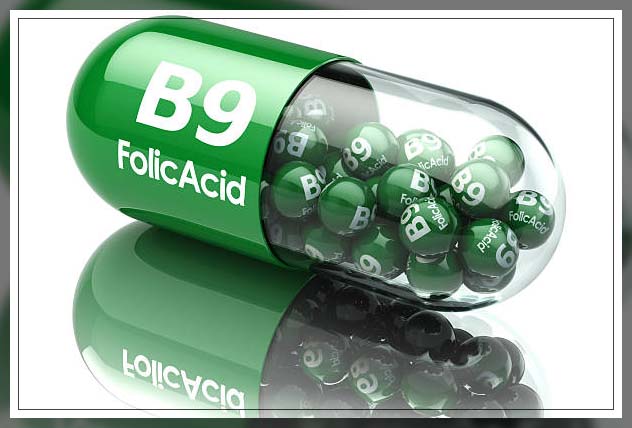 You would be surprised to know that folic acid and vitamin B9 are critical in supporting the cells that make up your gums. The vitamin plays a vital role in your mouth’s ability to fight off inflammation, infection, and disease.
If you have a folate deficiency, you may be at risk for early signs of irritated gums that may lead to bleeding, cavity, and bad breath.
What is Folic Acid?
Folic acid, also known as Vitamin B9. It is an essential nutrient that promotes cell growth, repair, and disease prevention.
 Folic acid is necessary for the proper production of your red blood cells. The vitamin manages how your cells divide and carry oxygen throughout the body. Folate is a crucial component for maintaining a healthy heart and brain. You can also find the vitamin in the soft tissues of your mouth.
Studies have confirmed that folic acid plays a crucial role in the formation of human DNA. If you have a deficiency of folate – it may be linked to chromosome breakage. Folic acid deficiency can lead to an increased risk for certain cancers and cognitive defects in the body.
Several other studies confirm that folic acid is even more critical for pregnant women. It is important to note that pregnant women should ensure the proper intake of B9 or folic acid, especially in the early stages of pregnancy. The acid can drastically reduce the risk of fetal brain and spine defects – commonly observed in newborn babies.
Do many people often ask if folate is the same as folic acid? The terms folic acid and folate are often used interchangeably. But technically, they are not the same, but many people get away with considering them the same.
At a higher level, folate is vitamin B9 that is naturally present in leafy green vegetables like kale leaves, broccoli, avocados, asparagus, oranges, bananas, and legumes. In contrast, folic acid is the man-made version of the vitamin which you can take as supplements. It is also added to fortified food such as rice, bread, and cereal.
How Folic Acid Affects Your Oral Health?
Many of you might ask – does folic acid help in any other way? The answer is yes. Folic acid can be a crucial vitamin for oral health.
 When your body lacks RBC, it leads to a condition called anemia. For individuals suffering from anemia – oxygen does not reach the cells across their bodies.
In terms of mouth health, you may notice various symptoms. There is also soreness in the tongue and a lack of color in the gums.
Therefore, you can see that folate can play a vital role if you have any of these conditions. It is important to note that the human body needs B9 to make red blood cells. Consuming enough folate can reduce anemia symptoms and prevent it from happening altogether.
 Vitamin B9, or folic acid, is vital in supporting the cells as they constitute the gums and your mouth’s ability to fight off disease and inflammation. People who lack adequate amounts of this vitamin can risk gum infection and conditions such as bad breath, bleeding, and cavities.
The signs and symptoms can lead to advanced periodontal disease if you do not take proper diet and dental care. They may lead to potentially causing loss of teeth, receding gums, and the need for invasive periodontal treatment.
The good news is that if you intake a diet high in folate, it may help prevent gum disease from developing. If you are looking to stop receding gums from getting worse, you might turn to folate to stop it.
If you need periodontal treatment, folate could help you with post-procedure healing and may even prevent symptoms from returning.
Folic Acid is Great for Your Teeth
Do you have plans to up your intake of vitamins? And the one to pay extra attention to is folic acid or folate, otherwise known as vitamin B9.
 You will be surprised to know that this powerhouse nutrient plays a crucial role in many functions throughout the body. Including maintaining the health of your gums, teeth, and mouth.
Your diet is the best way to get enough folic acid or Vitamin B9 into your system. Commonly found grains like bread, pasta, and cereal are fortified with folate. But you see the vitamin naturally in romaine lettuce, asparagus, broccoli, spinach, peas, beets, beans, lentils, peanuts, and sunflower seeds.
Your dentist may also recommend using folic acid mouthwash or toothpaste in order to get a sufficient amount into your body.
Considering these points, you must get enough folate daily because it is water-soluble. It means the vitamin is stored in the human body for a very long time.

Moreover, you should replenish folate levels to avoid deficiency complications. Therefore, it is especially important for pregnant women to get enough folate. This is because the child could be born with a spine or brain defect if not enough folate is obtained.
Note that you should get enough folate to reduce gum disease or infection risk. But there are quite a few suffering from mild to severe gum disease.
The best way you can treat it – is with daily brushing and flossing. In addition, schedule a dental examination with your dentist at least every six months.
Folic acid helps with gum disease primarily because it helps repair the damaged cells in your gum tissue. Folate works together with Vitamin C as it helps prevent and treat periodontal disease, irrespective of your age.
Why is Folic Acid Essential for Your Body?
During pregnancy, your body has an increased need for red blood cells or RBC production. It is under such a condition that folic acid, also known as synthetic folate or vitamin B9 – plays an essential role in RBC production.
Folate is closely associated with pregnancy probably because it reduces the possibility of defects in the newborn’s brain and spine. It is important to note that getting enough folate can also help in preventing neural tube defects.
Gum Disease and Folic Acid
It is important to note that periodontal disease is more common among individuals in their sixties than among teens. Older adults are indeed more dental savvy and brush regularly. But the difference is probably because their body’s ability to fight off bacteria attacks may decrease with aging.
As you might be aware, the immune system may attack the invading organisms as soon as periodontal disease occurs. Your whole body will fight against harmful organisms, including your network of tissues, cells, and organs all working together.
With age, your body can digest fewer nutrients required to maintain an optimal immune system. Therefore, eating more fresh fruits and vegetables becomes essential as these can adequately supplement your diet. You need to eat new stuff to avoid any gum disease.
A healthy diet provides sufficient antioxidants that prevent cell oxidation and reduces diseases like heart disease and cancer. Antioxidants can prevent cell oxidation, thus supporting your immune system.
Without any dental treatment – a nutritional supplement alone can drastically lower your symptoms of bleeding and tissue damage caused by periodontal disease. Research conducted at Loma Linda University confirmed this fact.
Do you know that folate is necessary to produce and maintain the new cells in the body? They are also important, especially during rapid cell division and growth. For instance, during pregnancy and even during infancy.
Folate is also needed to make DNA and RNA, the building blocks of cells. The vitamin also helps prevent changes to DNA that may lead to cancer. Both children and adults need folic acid to make normal red blood cells and prevent anemia.
How Much Folic Acid Do You Need Per Day?
Both folate and folic acid are a form of water-soluble B vitamin. Folate occurs naturally in the food you take. In contrast, folic acid is the synthetic form of folate found in supplements and fortified foods.
Unfortunately, about 20 percent of the population fails to convert this vitamin. Therefore, they are not able to receive full nutritional benefits. When your body does not convert enough folic acid to L-methyl folate – excess homocysteine levels might accumulate.
You would be surprised to know that several published studies have linked excessive homocysteine with common age-related disorders and problems.
As with most essential vitamins, getting as much of your folate as possible from a healthy, natural, and balanced diet is best. However, many people still benefit from adding a folic acid supplement to their daily schedule.
According to the National Institutes of Health, the daily dose recommended for adults is 400 micrograms.
But it is essential to know that certain groups may need higher doses to get the full effects of this vitamin. These may include women who are pregnant or lactating and also individuals with limited diets. Your doctor may also recommend a higher dose for those who consume excessive alcoholic drinks as alcohol interferes with folate absorption. Folic acid certainly has benefits, as consuming too much may have potentially harmful side effects.
As for your oral health, eat a diet of folate-rich foods and visit your dentist regularly. Also, stay on top of proper at-home care. All this is your first line of defense as it will keep your mouth healthy and happy. But if your teeth and gums still need help, consult your dentist to see if a folic acid supplement is suitable for you.
Wrinkles on Face: Tips To Remove Them
Wrinkles, also known as rhytides, are folds in your skin. With age, your skin produces less and less of the proteins elastin and collagen. This process makes your skin thinner and less resistant to damage. In addition, environmental exposure, toxins, and dehydration can all make your face likely to develop pronounced wrinkles on face. In simple terms, wrinkles are a natural part of getting older. Therefore, there is no reason to dread getting them.
 You must be aware that wrinkles, a natural part of aging. They are mostly prominent on sun-exposed skin, like the neck, face, hands, and forearms.
Wrinkles on Face – Overview
Although genetics primarily determines your skin structure and texture, sun exposure is considered a major cause of wrinkles, especially for individuals with light skin. Smoking and pollutants may also contribute to wrinkling.
If your wrinkles bother you, you have several options to help smooth them or make them less visible. Medications, fillers, skin-resurfacing techniques, and surgery – top the list of effective wrinkle treatments.
 But if you are interested in slowing the signs of aging on your face, there are natural ways to do so.
How to Get Rid of Wrinkles in Face
1. Wear sunscreen
Do you know that sunscreen with a sun protection factor SPF over 30 could help prevent skin cancer? A study found that sunscreen also helped delay the signs of aging. It is true that you already wear sunscreen for the beach. Wearing moisturizing sunscreen on your face daily is also a good habit that will benefit your skin health in the long term.
2. Limit your sugar intake
The medical community is continuously researching how sugar consumption can affect your health. Sugar in your body often sets off a process known as glycation. And advanced glycation end products ( called AGEs) are not suitable for your skin.

AGEs break down the collagen in your skin and, over time, can make you look older. AGEs are also linked to food preparation methods such as frying and grilling instead of baking and boiling. Note that limiting your intake of sugar and oil-rich foods can help your face retain its youthful shape.
3. Cut out smoking
Smoking is indeed bad for your health. But do you know that sugar can age your face prematurely? One fascinating study compared the faces of 79 pairs of identical twins. The striking differences in their ages made it clear that smoking affects the skin condition on your face. Even if you smoke secondhand, it increases your risk for many cancers and other diseases. The worst part is it may hurt your skin as well.
4. Use coconut oil
As you know, coconut oil is a natural emollient. It means when you apply it to your skin, it fills in the gaps in your epidermis, making it feel smooth.

Show your skin love with coconut oil as it makes it smoother and helps retain moisture. Finally, make your face appear fuller. As an added bonus, coconut oil benefits has been studied and found to be an effective treatment for dry skin.
5. Boost your beta carotene
There is an ongoing medical debate – on how beta carotenes can block the sun’s ultraviolet light from damaging your skin and eyes. Beta carotene and retinol (vitamin A) are some other ingredients in the cosmetic anti-wrinkle creams you can buy on the market.
But you do not have to buy a product to access beta carotene. All you need to do is take a beta carotene supplement and see the benefits in your skin. As little as 30 milligrams every day of beta carotene, if taken orally, can prevent and repair the photoaging process (otherwise known as wrinkles).
6. Try lemon balm leaf tea
One of the newer holistic strategies that are emerging for wrinkle fighting is lemon balm leaf tea. A study compared a small sample of people who drank lemon balm leaf tea to another group who drank a placebo of barley leaf tea. Researchers concluded that lemon balm leaf extract could make your skin more elastic and even correct tissue damage.
7. Keep switching your sleep position
Did you ever know that the wrinkling on your face can be caused by the position you sleep in? It is called “compression” – and is caused by your face pressing against the pillow, in the same way, night after night.
 Over time, this compression will leave your skin weaker in some places than others. As a result, wrinkles form. You can slow down or prevent compression wrinkles by sleeping on your back.
8. Avoid ultraviolet light
Ultraviolet light or UV light is the ultimate cause of most wrinkles on the face, arms, neck, and hands. Indeed, you cannot wholly avoid ultraviolet light, but there are steps that you can take to lessen the degree of exposure.
You can opt for a sunless tanning lotion, especially over long sunbathing sessions in the sand. Moreover, wear a hat that protects your face from the sun when you stay outdoors for longer periods. Whenever possible, wear long pants and long-sleeved shirts – especially when you are adventuring outdoors. You will still absorb some sunshine, but it will not contribute to the wrinkles on your skin.
9. Wash your face regularly
Take an extra three to five minutes to wash your face at night before sleep – it is never a waste of time. When you leave makeup on your face overnight, your skin will absorb most of it. Since most cosmetics contain harsh chemicals, it contributes to the oxidative stress your skin faces.
That is the reason why taking an extra three to five minutes to wash your face at night is beneficial. Avoid vigorously scrubbing your face. Moreover, use a water-based wipe to cleanse your face before going to sleep, and finish your wash with some cold water splashed across the skin.
10. Up your antioxidants
Do you know that your skin is exposed to more oxidative stress than any other organ in your body? It means your skin gets damaged just by going through your daily routine. Antioxidants help fight the damage that oxidative stress does to your cells.
You can purchase sunscreen or wrinkle cream enriched with antioxidants, as plenty of other ways to boost that antioxidant for your skin. In addition, you can eat a diet rich in kidney beans, blueberries, grapes, kale, and spinach will help you get healthy skin and can also reduce the signs of premature aging.
Wrinkles on Face and Their Causes
As you might be aware, wrinkles are caused by a combination of factors. Some of them you can control and others you cannot.
 Age. Your skin will naturally become less elastic and more fragile as you age. The decreased production of natural oils dries out your skin and makes it appear more wrinkled. It is probably because the fat in the deeper layers of your skin diminishes. This factor causes saggy, loose skin and more-pronounced lines and crevices.
Exposure to ultraviolet (UV) light. Ultraviolet radiation often speeds up the natural aging process and is the primary cause of early wrinkling. Therefore, avoid it as the exposure to UV light breaks down your skin’s connective tissue like collagen and elastin fibers, which are found in the deeper layer of skin or dermis.
Without these supportive connective tissues, your skin will lose flexibility and strength. Your skin will then begin to sag and wrinkle prematurely.
Smoking. Smoking could accelerate the normal aging process of your skin as it contributes to wrinkles. It might be due to smoking’s effect on the skin’s collagen.
Repeated facial expressions. Facial expressions and movements such as smiling or squinting may lead to fine lines and wrinkles. Each time you use a facial muscle to express your feelings, a groove forms beneath the skin’s surface. As your skin ages, it slowly loses its flexibility and cannot spring back in place. These grooves then become permanent features on your face.
Choose Products Based on Your Skin’s Condition
We all know that life can be hectic at times. Therefore, you need to get enough sleep and reduce stress as much as possible. And chronic illness and other situations can inhibit or prevent the ability to exercise.
Moreover, a diet packed with superfoods is not always the simplest or most affordable thing to do. That is why turning to a few product powerhouses might help.
- No sign of wrinkles forming yet? Then keep your product arsenal simple, if you like. Rosehip oil could be a multipurpose workhorse in your skin care routine. It can serve as a moisturizer, antioxidant, brightener, collagen booster, and more.
- Starting to feel dry with age? In such a scenario, you can tap into hyaluronic acid’s elasticity-boosting and moisturizing action. It could be the best choice for keeping your skin plump and pampered.
- Feel a sag coming on? Vitamin C serums and retinoids are excellent go-to crease fighters. These bad boys can battle sagging before it begins and can even reduce fine lines and under-eye circles. Look for a skin care products that pairs these ingredients together.
- Do not forget to moisturize. Products that contain shea butter are a winning wrinkle weapon. The soothing and smoothing properties can repair damage from oxidative stress preventing further creasing. And it smooths and softens existing lines too.
When to see a doctor
As you know, wrinkles are the creases and lines that form on your skin. Some wrinkles might become deep crevices or furrows and might be especially noticeable around your mouth, eyes, and neck.
 If you are concerned about the appearance of your face, see a dermatologist. They can assess your skin and help you create a personalized skin care plan. A dermatologist can also recommend medical wrinkle treatments suited to your skin type.
Wrinkles are a Map of Your Life
Do not hold back expressing joy, sorrow, or other emotions. Your fine lines can represent life’s valuable moments like uninhibited laughter and grins that stretched across our faces.
You should embrace the wrinkles of your face for what they are. They mark your years lived to the fullest and without regret. What is more beautiful than that?
Lychee Benefits: The Summer Fruit
Summers can be extremely daunting for anyone. The heat comes down on you. It becomes unbearable. And you need to know ways to keep your cool. One way is to add fruits and lychee benefits you in many ways.
So why is it even considered as the underrated fruit?
For one thing, it is completely small and round. It comes with a red, scaly skin. And it also has sweet juicy pulp.
There is always a large seed in the middle of it.
Many people also know it as litchi. This is usually found in Asia. And many people make use of it in different desserts.
Including jellies, cocktails as well as ice-creams.
There are also different variations for the same. It can come dried, canned as well as in fresh form.
You can have your pick.
But why is it considered to be so good for us?
Well we will be knowing about all the advantages of adding into your diet with this article.
Read On:
Amazing Lychee Benefits

You can consume this fruit in so many amazing ways. There is a reason why it is considered as being really good for you.
One of the leading benefits is how it actually makes your body so much better.
When you know why it is good for you, it will help you to actually see the kinds of wonders this diet will bring for you.
Digestion Advantages
There is plenty of dietary fiber in lychee.
This means it helps in your digestive health.
You will notice how it actually facilitates the bowel movements, smooth movement as well as how it goes through the digestive tract.
Did you know there is plenty of fiber available in it. That actually ensures that this is also going to help in your food passing speed.
It is essentially important for when you wish to look at ways in which you can prevent constipation and other issues in the body.
Benefits to the Immune System

As it turns out, there are good amounts of vitamin C in lychee.
This is the ingredient that you need when it comes to the strengthening of the immunity.
You will notice there are plenty of water-soluble vitamins that you can get.
Antioxidants are also present. These will be protecting your body from any foreign germs that may invade the body.
The lychee is also responsible for enhancing the immunity in the body. It works well protecting your body against common diseases. These include cough, cold and flu.
A Shield Against Cancer
You would be surprised to know how it actually acts as a strong shield against many illnesses. Even cancer.
There are actually polyphenolic compounds in it.
This is commonly found in lychee. And they are actually more effective than even vitamin C.
They will work great as they protect the body against foreign germ invasions.
Antioxidants and flavonoids are quite common in lychee. And these work great as anticancer effects.
This is especially true in the case of breast cancer.
Blood Pressure Control
As it turns out, lychee benefits in combatting blood pressure also.
This is because it is carrying what we can consider as a balanced amount of potassium and sodium.
It is needed for maintaining the proper blood pressure in the body.
Also there are plenty of vasodilatory properties that come in potassium.
And this is heavily present in lychee. It not only aids in soothing your blood vessels.
But it also works well in relaxing them.
That means your hypertension is better combated.
Lychee also has strong properties which make it a good source in reducing the high levels of bad cholesterol (LDL).
Not just that, it also increases the good cholesterol in the blood.
There has been plenty of research which has shown how lychee works great in improving blood circulation in the body.
And with that, there will be smooth functioning of the organs.
You will notice how copper is yet another essential mineral which is found in large quantities in the lychee.
And we need it so as to form the RBC formation.
Copper content is really important to consider in monitoring the blood circulation and increases the oxygenation of the organs. As well as the cells in the body.
Energy Booster

As it turns out, this is one of the best energy boosters for the body.
There are high amounts if vitamin C in them. That is going to play a major role in improving the collagen in the body.
That is what you need when it comes to breaking the fats.
When there is breaking of fats, it will be providing you with instant energy.
And that is what makes it a really good source for you. The energy levels will rise in no time. Allowing you to make the most of this.
Another thing is that lychee is really goo for your hair and skin too.
It works in ample ways to control the signs of aging.
Not just that, it is also a good way to combat blemishes. And this is how it protects the skin from the UV rays.
And will be reducing the sunburns.
You need to look at ways in which it will be promoting hair growth.
Those who eat lychee on a regular basis will notice how it actually gives such a distinctive shine to the mane.
There are unbelievable ways in which it completely stands out.
Make sure you know how much you are consuming. Keeping a check on that allows you to have a good control and monitoring on the way it helps your skin look great.
How to Use Lychee

So this is one of the things people often wonder about.
How do we even make use of lychee?
There are some of the leading ways in which you can consume them and store them.
If you look into how lychee is sold, there are plenty of supermarkets who are selling it in different ways.
Asian supermarkets consist of lychee in either canned of dried form.
This allows you to consume it even if its not summer and not in season.
While some people prefer to add sugar in it, it is best if you don’t. That will allow you to gain full benefits from it.
However the best form is fresh lychee. This is the season that begins in June and stays through the whole summer.
You can even refrigerate fresh lychee for upto 5 to 10 days.
This can be frozen whole with the peel on.
That is something you can continuously use whenever you need it.
As it turns out lychee can also be eaten in savory styles too. It all depends on how you add them into your dishes. It brings on an amazing taste and is really good for you.
Conclusion

Lychee is the underrated fruit of summers. There is no denying that.
It is definitely something you need to invest your time in.
Because lychee benefits your body in a large number of ways.
Knowing them allows you to make the most of this amazing fruit.
This is why you should be reading this article.
It is providing you with a complete overview to know ways in which you will have a solid health. There are so many ways in which you will be gaining a solid and sound health.
Genetic Disorders: What are They, Types, and More
Genetic disorders are conditions that occur when there is a mutation in the DNA.
There are a number of genetic disorders.
Different cells within your body contain molecular DNA. Moreover, this molecule is able to provide the cells with instructions on how to function.
A change or mutation within the DNA can lead the cell to function abnormally.
This leads to genetic disorders.
However, it is important to note that carrying mutations does not always mean that you will end up with a disease.
Different types of genetic disorders are single-gene, multifactorial, and chromosomal disorders among others.
Keep on reading to learn more about genetic disorders, different types, the main symptoms of each type, and how they develop.
Genetic Disorders
Genetic disorders are conditions that occur as a result of changes or mutations to the DNA within the cells of the body.
A number of cells in your body contain long strands of DNA that provide the cells with instructions.
Each DNA strand is tightly coiled around a protein i.e. a histone.
This coiled structure is called a Chromosome.
Moreover, chromosomes contain small sections of DNA, i.e. genes.
These genes provide your body with specific instructions.
Each human cell normally contains 23 pairs of chromosomes, with one of each pair that comes from each parent.
Thus, you can say that every person has two copies of every gene.
In case there is a change or fault in the DNA, it can cause a genetic condition.
As genes pass from parents to their children, these disorders can be heritable.
However, not everyone with a genetic condition in their family will experience symptoms of genetic disorders.
Furthermore, genetic conditions can affect any gene or chromosome.
This means that there is a wide range of genetic disorders, each causing different symptoms.
Human Genome
A human genome refers to all the genes and DNA that are crucial to building and maintaining a human.
The Human Genome Project, HGP, project established the sequence of the human genome of different genes.
Moreover, the HGP estimates that there are about 20,000 to 25,000 genes in the human genome.
 The DNA inside these genes contains four chemical bases that act as units of information.
These are:
- adenine
- cytosine
- guanine
- thymine
Each DNA molecule contains two twisted strands of DNA.
Pairs of chemical bases connect one DNA strand to the other and resemble rungs of a ladder.
Furthermore, the base pairs of chemicals between each strand always combine in a certain way.
For instance, adenine on one DNA strand will always pair with thymine on the opposite DNA strand.
Additionally, the order of the chemical base pairs in each molecule of DNA affects what instructions that DNA will provide to the body.
DBNA sequencing involves reading the order of these base pairs.
Development of Genetic Disorders
It is important to note that genetic conditions tend to run in families.
Parents tend to pass genes on to their children and some of these genes can contain the basis of a genetic disorder.
However, each parent only passes down half of their genes.
The version of each gene that a parent will pass down is an Allele.
In case two alleles from each parent differ, the body may only take instructions from one of them.
Moreover, the allele that the cells will take instructions from is the Dominant Allele,
While the other one is the Recessive Allele.
Some genetic conditions are carried by the dominant allele, while others are carried by a recessive allele.
In general cases, a person will only inherit a certain genetic disorder if they have at least one dominant allele for the disorder or two recessive alleles for the disorder.
Single Inheritance Genetic Disorders
A single inheritance or monogenic disorder is a condition that results from a fault or mutation within a single gene.
One of the important things to note is the dominant disease are single-gene disorders that occur in the heterozygous state.
This is when an individual has only one mutant copy of the relevant gene and one healthy gene.
The effects of the mutant version of the gene or allele will override the effects of the healthy one.
Thus, the mutant allele will cause disease symptoms even though a healthy allele is present.
Moreover, dominant disorders tend to crop up in every generation of the affected family.
This is because everyone carrying a dominant mutant allele will show the symptom of the disease.
Also, dominant disorders tend to spread vertically down the family trees, from parent to child.
However, in rare cases, when an individual has two copies of the mutant gene or is homozygous, the disorder symptoms will be more severe.
The following are certain examples of this type:
Huntington’s Disease
Huntington’s disease is a degenerative brain disorder.
It causes:
- uncontrolled movement
- emotional disturbances
- cognitive decline
Moreover, this disease tends to develop due to mutation on the dominant allele within chromosome 4.
People with this allele will gradually develop this condition.
 Treatment
There is no way to stop or slow the progression of this disease currently.
However, with the help of certain medications, doctors can help a person manage their symptoms.
These include medications to help control involuntary movements and medications to treat mood shifts, irritability, and depression.
Sickle Cells Diseases
SCDs, sickle cell diseases are a group of conditions that affects your red blood cells.
Sickle cell anemia is a type of SCD in which the red blood cells that transport oxygen to the tissues of the body are misshapen.
Their unusual shape means that they are less able to transport oxygen, and more likely to clump together.
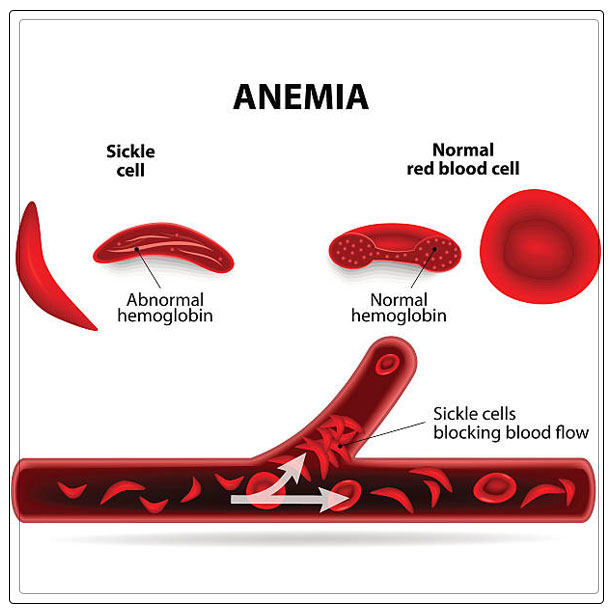 Clumps of these blood cells can block the blood vessel, and potentially causes:
- pain
- infections
- acute chest syndrome
- stroke
Moreover, SCDs occur as a result of mutations in the HBB genome which provides instructions for the production of red blood cells.
Also, SCDs are recessive which means that you will need to inherit two alleles containing mutations in order to have this disorder.
Treatment
Treatment for SCDs helps to prevent complications and prolong life.
Your doctor may prescribe the medication hydroxyurea.
This will help to increase the size of red blood cells, thereby increasing the amount of oxygen each cell will transport.
Muscular Dystrophies
This is a group of genetic disorders that can cause muscle damage and weakness over time.
They occur due to mutation in the DMD gene.
Muscular dystrophies are X-linked disorders, which means that they affect a gene on the X chromosome.
Moreover, these conditions are more common in males than in females.
This is because males have one X chromosome and one Y chromosome, while females have two X chromosomes.
In females, the unaffected X chromosome can counteract the affected one, however, in males, there is no other X chromosome to do this.
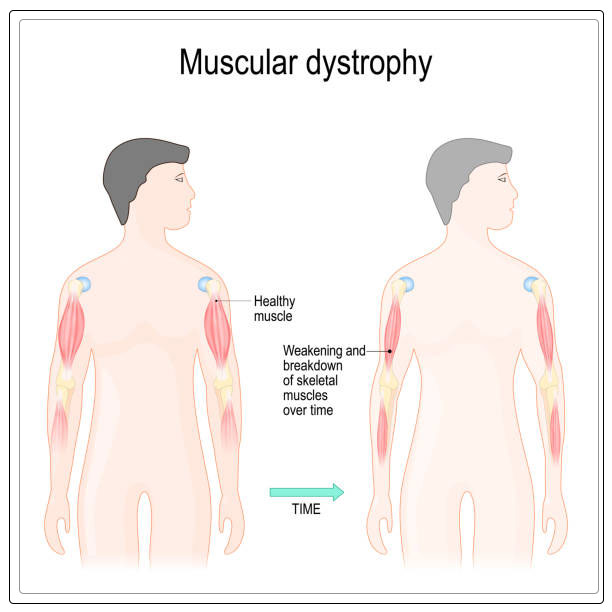 Treatment
Currently, there is no treatment to stop or reverse muscular dystrophies.
However, treatment aims to prevent complications and improve the quality of life.
Examples are:
- physical therapy that helps to maintain muscle strength and flexibility
- respiratory therapy that helps to maintain the strength of the respiratory muscle
- speech therapy in cases there is a weakness of the throat or facial muscle affects speech
- occupational therapy to help you use assistive devices like wheelchairs
It is important to note that one or more of the following medications can help to slow or control the symptoms:
Glucocorticosteroids help to increase muscle strength and slow the progression of muscle weakness
Immunosuppressants help to delay damage to muscle cells.
Anticonvulsants help to control muscle spasms and seizures.
Antibiotics to treat respiratory infections.
Multifactorial Inheritance Genetic Disorders
Multifactorial inheritance disorders, MIDs are conditions that develop due to a combination of genetic factors and environmental or lifestyle factors.
Some of these non-genetic factors are:
- smoking
- drinking alcohol
- eating an unhealthful diet
- not getting enough sleep
- living in an area that has high levels of air pollution
Moreover, some conditions that may fall into the category of MIDs are:
Asthma, heart disease, diabetes, certain cancers, schizophrenia, Alzheimer’s disease, and multiple sclerosis.
Furthermore, certain genetic mutations can also increase the risk of these conditions.
However, there is no clear pattern of inheritance.
Chromosomal Abnormalities
These abnormalities are problems that affect a chromosome and can involve:
- having a missing chromosome
- having an extra chromosome
- a chromosome that has some kind of structural abnormality
Chromosomal abnormalities often occur when there is an error as a cell is dividing.
These errors often occur within the egg or sperm, however, can also happen after conception.
Moreover, it is possible to inherit a chromosomal abnormality from a parent.
However, some develop within a person for the first time.
Some examples of chromosomal abnormalities are:
Down Syndrome
Down Syndrome is a type of chromosomal abnormality that affects intellectual and physical development.
Moreover, it occurs when a person receives an extra copy of chromosome 21.
This means that each cell within the body will have three copies of chromosome 21 instead of two copies.
 Treatment
This is a lifelong condition, however, with the help of different types of therapies, it can help intellectual and physical development.
Examples are:
- occupational therapy
- physical therapy
- speech therapy
- receiving extra help or attention at school
Wolf-Hirschhorn Syndrome
Wolf-Hirschhorn syndrome is a chromosomal abnormality that tends to affect the entire body.
The major features of this condition are:
- delayed growth and development
- reduced muscle tone
- intellectual disabilities
- seizures
Moreover, this syndrome tends to develop due to a relation of a section of chromosome 4.
In most cases, it occurs for the first time within the person who has this disorder.
However, it is also possible for a person to inherit this condition from a parent who has a chromosomal abnormality.
Treatment
There is no treatment for Wolf-Hirschhorn syndrome.
But the following treatment can help a person to manage their symptoms and improve their quality of life:
- physical or occupational therapy
- counseling
- drugs that can help with specific symptoms like seizures
Mitochondrial Inheritance Genetic Disorders
Mitochondria are biological structures that exist in the cells of the body.
These have the ability to generate most of the energy that the cells need to carry out their biochemical reactions.
Moreover, mitochondrial disorders are a group of genetic conditions that affect DNA within the mitochondria themselves.
These DNA mutations or changes result in the mitochondria failing to produce enough energy to sustain the cells of the body.
Furthermore, mitochondrial disorders tend to affect any organ or part of the body.
The symptoms a person will experience will depend on the part of the body the disorder affect.
Some possible symptoms of these disorders are:
- poor growth
- muscle weakness
- loss of muscle coordination
- visual problems
- hearing problems
- seizures
- developmental delays.
Some other symptoms are intellectual disabilities, autism spectrum disorder, diabetes, heart, liver, or kidney disease, and respiratory disorders.
Mutations in mitochondrial DNA are inherited materially which means a mother can pass down these disorders.
Treatment
There is currently no cure or highly effective treatment for the mitochondrial disorder.
However, nutritional management, vitamin supplements, amino acid supplements, and medications to treat specific issues like muscle weakness or seizures can help manage the disorder.
Conclusion
Genetic disorders occur as a result of changes or mutations to the DNA and this can affect the whole chromosome or the specific gene within the chromosomes. DNA mutations can also occur within the DNA of mitochondria which power the cells of a person.
Most genetic conditions tend to be heritable, however, can also occur for the first time within a person who experiences a specific disorder.
Moreover, genetic disorders are lifelong conditions and treatment tends to focus on helping a person manage the symptoms, preventing complications, and improving quality of life.
However, in some cases, there may be medications available to help slow the progression of a particular disease.
Stay Hydrated: To Improve Your Skin
Most of you underestimate the power of drinking water to stay hydrated – it has a positive effect on your skin and overall health. The human skin is the largest organ in your body. The skin protects you, storing water and lipids, preventing fluid loss, and even serving as thermoregulation.

Staying hydrated by drinking more and more water is the best natural way to get your glowing, beaming, and healthy skin all the time.
Diet and Lifestyle Tips for Keeping Skin Hydrated
Besides drinking water, you can also try these methods. To improve your body’s hydration levels and thus your skin’s – follow these expert-backed strategies.
Eat Your Water
It means adding foods high in water to your plate to maintain hydration goals. Where to start?
 Try stuff like celery, cucumbers, watermelon, zucchini, strawberries, and cauliflower, as they top the list.
Limit Alcohol and Sweets
Alcohol dehydrates your skin and body, thus making your skin look more dry and wrinkled. Most of the mixed drinks that contain alcohol are loaded with sugar, thus creating havoc on your skin.

Therefore, you should not indulge in too many sugary sweets. It is because the sugar will stiffen collagen via a process known as glycation, which ages your skin. In addition, too much sugar in your body can flare inflammation if you are prone to inflammatory skin conditions such as psoriasis, which can lead to inflammation. Sugar can also aggravate conditions such as acne, eczema, and rosacea.
Try Humectants
When you apply topical products called humectants to your skin – they help absorb and pull in water. One typical example of a humectant is hyaluronic acid, a common skin care ingredient. Additionally, emollients like creams help retain moisture, reducing the fluid loss in your protective outermost skin layer.
Exfoliate Your Skin
This process eliminates dead skin and allows skin-care products to penetrate faster and more efficiently. Many believe that exfoliating leaves your skin too dry. But the condition occurs only when someone exfoliates their skin too often. You can end up irritating your skin.

The American Academy of Dermatology confirms that irritated, red skin, especially after exfoliation, might suggest over-exfoliation. You should work with your dermatologist or specialist to identify the right type and frequency of exfoliation.
Add a Serum
After exfoliation, use a good face serum that helps with the hydration process and helps your skin stay hydrated. A good serum (best face serum) should include active ingredients like retinol, hyaluronic acid, and glycerin. Furthermore, hyaluronic acid also helps plump up your skin.
Optimize Your Shower Routine
Avoid hot showers or washing your face with hot water. It is important to note that the heat will absorb the moisture from your skin. Therefore, lukewarm water is ideal for your skin.

Finally, when you apply your skin care products, it can drastically impact your skin hydration levels. Always use moisturizer right after coming out of the shower. After getting out or showering – pat your skin dry with your towel and apply a thick layer of moisturizer to increase absorption.
The Potential Link Between Drinking Water and Improving Skin
You might have heard that swigging water can give you clear, glowing skin – but scientific evidence behind this is lacking. One small study published in 2015 suggests a relationship between hydration and skin health.

Researchers found that people with low daily water consumption or those who were dehydrated – were positively affected when they started drinking water. It means that increasing your water intake will positively affect your skin appearance. Water may also maintain skin hydration levels in the long run.
Interestingly, the study also noted that if you are already well hydrated, drinking to a point beyond a balanced level of hydration might not have any other impact. Note that excessive hydration is unlikely to benefit your skin.
Your skin remains “hydrated” from the inside out – by pulling fluid from the capillary blood flow in the skin. If there is not enough water to draw from, say you are dehydrated, your skin can effectively dry out. Therefore, it makes sense to feature water in your healthy skincare routine.
Stay hydrated as it is a reflection of total-body hydration. It means if you are dehydrated, less water gets transferred to your skin from circulation. Getting enough water improves blood flow in your body and skin. Your body’s tissues and cells are mostly made of water. You should stay hydrated and form a part of your skin care there.

If you feel thirsty, your body is asking for more water. Drink enough water throughout the day – so that your body does not get a chance to feel dehydrated any time of the day.
How Much Water Should You Drink for Healthy Skin?
According to experts, a gallon of water will keep your skin hydrated. According to the National Academies of Sciences, Engineering, and Medicine, men should take 13 cups of water, and women should take 9 cups of water, indicating adequate fluid intake.
But the requirement will increase automatically if a person has a lot of transepidermal water loss from heat and sweat. Transepidermal water loss primarily refers to water lost through your skin surface.
Like water-rich foods or caffeinated beverages, other dietary factors might influence your body’s hydration levels.
Taking more and men may result in water intoxication. However, it is a rare effect. When too much water is in your body, salts electrolytes and salts become too diluted. Leading to a condition called hyponatremia. Additionally, excessive fluid intake may strain your kidneys, your body’s filtration organ.
Ways in Which Drinking Water Can Help Improve Your Skin
Here are the ways if you stay hydrated it will improve your skin:
1 Sagging Skin
Are you on a weight loss program? Rapid shedding of fat or extreme weight loss may cause sagging skin. In such a scenario, many people tighten their skin by water fasting. However, it is essential to note that it is an unhealthy method and might damage your skin.
If you drink an ample quantity of water day in and day out, you can tighten your skin and maintain a healthy glow.
2 pH Balance
We all know that it is essential to maintain a good pH balance in your skin. The pH of any substance can range from 0 to 14, with 0 being highly acidic and 14 being the most alkaline. A pH value of 7 means the substance is neutral and is the exact pH value of pure water.
Drinking more water ensures that your pH value is balanced, thus giving you healthy skin. Additionally, water can wash your skin thoroughly, especially after face wash, thus maintaining the correct pH balance.
3 Reduces Wrinkles
Water helps you stay hydrated and refreshed, thus helping maintain your skin’s elasticity. Drinking the required quantity makes you less likely to suffer from wrinkles on face, scars, and soft lines. In addition, stay hydrated as it will help prevent signs of aging compared to those who drink water in less quantity.
It is important to note that without water, it becomes more challenging for your body to retain moisture, especially as you grow older. By inputting more water into your system, you are helping your body and skin stay hydrated.
4 Flush Toxins
Yes, you can flush out the toxins in your body by drinking water. These harmful toxins can take a toll on your health. If you increase your water intake, you flush out the toxins in your body, improving the health of your skin.
You may have heard many people go on juice diets to flush out toxins. But by maintaining a healthy diet and drinking water, you can flush out toxins just the same way.
5 Prevents Acne and Pimples
Toxins can clog the tiny pores on your epidermis, causing problems like pimples and acne. By drinking more and more water, you can be sure that you will not suffer from acne scars or severe pimples. The more hydrated your skin, the less likely your pores will clog.
6 Moisturize
You should not only drink eight glasses a day to be specific- but you should also use water to thoroughly clean your skin. It may not seem ideal to take a shower or bath every day, especially during the colder months.
Moreover, it is a great option to cleanse your body and skin with water to unclog and clean pores. It eventually leads to moist and healthy skin.
7 Elasticity
If you lack elasticity in your skin, it may be because you are dehydrated. Therefore, gently pinch and see if your skin bounces back to check your skin’s elasticity.
If your skin does not bounce back, you may need to drink more water to hydrate yourself and even plump up your cells. The areas under your eyes can become dark if you lose elasticity and stay hydrated.
Wrapping Up
You need to understand that drinking more water will benefit your skin health by maintaining proper hydration levels. In addition, if you are already drinking the recommended daily amount of water and staying hydrated, you do not need extra. Note that drinking additional water will not improve your skin’s health or appearance.
Having said that, incorporating hydration into your skin-care routine via exfoliation can help a lot. Moreover, infusing a serum that has effective ingredients can be beneficial too. It may have a direct and positive effect on your skin.
You can also help your skin stay hydrated by increasing your intake of water-rich foods and avoiding contact with hot water. Avoid hot water showers. Instead, use a humidifier.
And a final note: if you have further questions and queries, you should visit your dermatologist to get a specific consultation based on your skin’s needs.